whatsapp

Custom Accounting Software Development Company in India

We invent, we care, we deliver.

Managing business finances accurately is essential for every organization, regardless of its size or industry. Accounting involves many tasks, from recording daily transactions and managing invoices to tracking expenses, handling taxes, and generating financial reports, all of which require accuracy and efficiency. Traditional accounting methods and generic software may not always meet a growing business's specific requirements. This is where custom accounting software development becomes valuable.

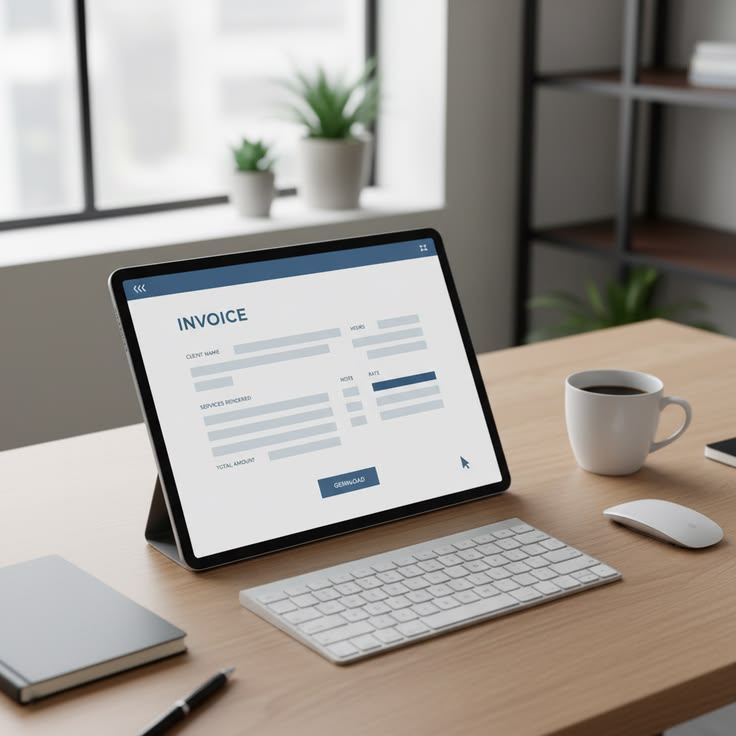
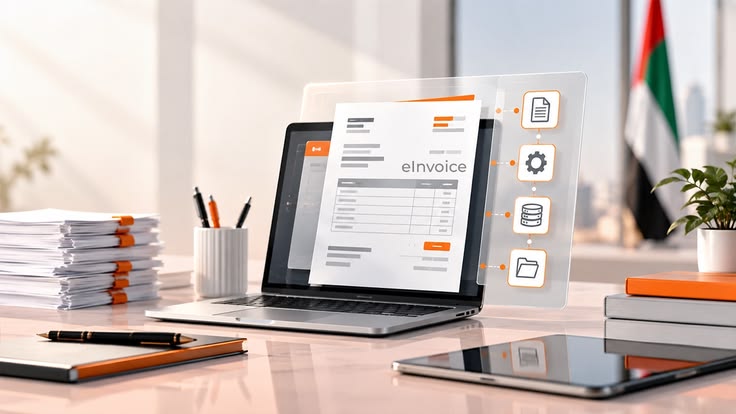
Automated Invoicing
Automated Invoicing

GST & Tax Calculations

Financial Reports
Financial Reporting

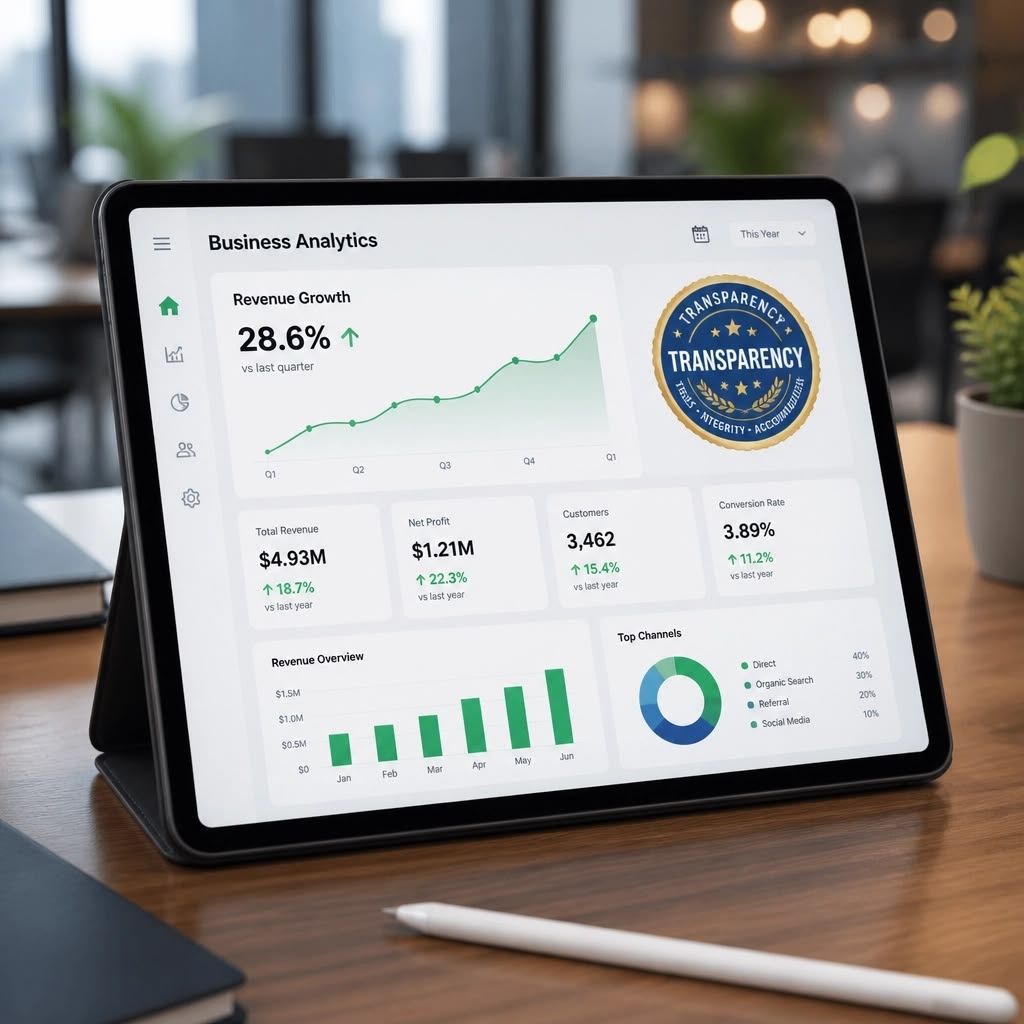
Real-Time Dashboards

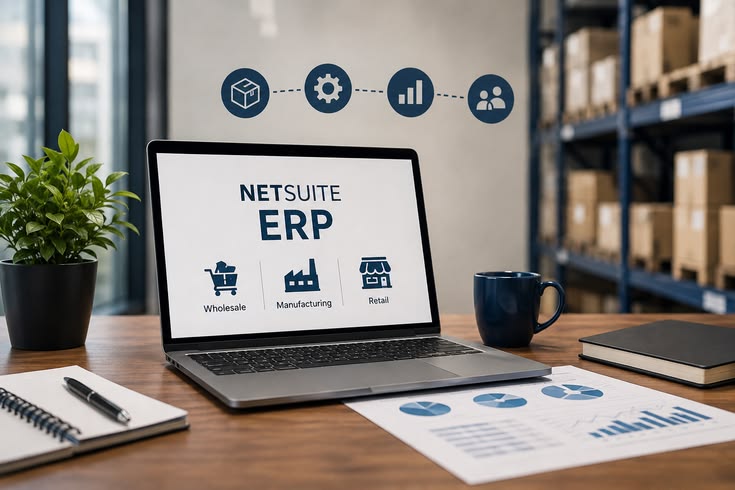
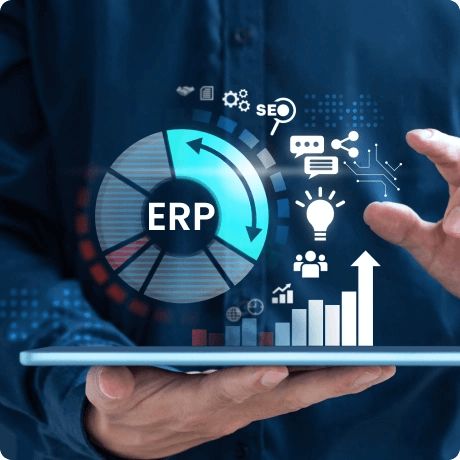
ERP Integration
ERP & System Integration

Seamless API Connectivity

Financial Management

Streamline Your Financial Management

A custom accounting solution helps businesses automate financial operations, reduce manual work, improve reporting accuracy, and maintain better control over their financial data. By developing software tailored to specific business workflows, organizations can simplify accounting processes and make informed financial decisions.

HybridPlus Infotech provides custom software development solutions designed to support business requirements across different industries. As a custom accounting software development company in India, HybridPlus Infotech can help businesses plan and develop accounting solutions with features such as automated invoicing, expense management, financial reporting, tax calculations, and integration with existing business systems.

Whether you operate a startup, small business, medium-sized enterprise, or large organization, custom accounting software can help streamline financial management and support long-term business growth.

What Is Custom Accounting Software Development?

Custom accounting software development is the process of designing and building accounting applications according to an organization's specific financial workflows, operational requirements, and reporting needs. Unlike ready-made accounting platforms, custom solutions can be developed around the way a business manages its accounts, transactions, payments, taxes, and financial records.

The software can include essential accounting functions as well as advanced capabilities such as multi-branch accounting, role-based access, automated reconciliation, real-time dashboards, and integration with enterprise resource planning (ERP), customer relationship management (CRM), inventory, and payment systems.

For example, a retail business may require accounting software integrated with its inventory and point-of-sale systems, while a manufacturing company may need cost accounting, purchase management, and production expense tracking.

A custom-built solution enables businesses to select the features they need and expand the system as their operations grow.

Accounting Workflows

Why Do Businesses Need Custom Accounting Software?

Financial management becomes more complicated as businesses expand. More customers, vendors, employees, transactions, and compliance requirements can make manual accounting increasingly difficult. Custom accounting software helps organizations overcome these challenges through automation, centralized information, and customizable reporting.

1. Reduce Manual Accounting Work

Manual data entry and repetitive calculations consume valuable time and increase the possibility of errors. Accounting software can automate recurring tasks such as invoice generation, transaction recording, payment reminders, and financial calculations. Automation allows accounting teams to focus on financial planning, analysis, and other important activities instead of spending excessive time on routine administrative work.

2. Improve Financial Accuracy

Incorrect entries, duplicate transactions, and calculation mistakes can affect financial reports. A properly developed accounting solution can apply validation rules, automate calculations, and maintain transaction records to help improve accuracy. Audit trails can also record changes to financial information, making it easier to review transactions and investigate discrepancies.

3. Access Financial Information Quickly

Businesses need accurate financial information to evaluate their performance and plan future activities. Custom accounting software can provide dashboards and reports covering income, expenses, outstanding invoices, cash flow, and other important financial indicators. Authorized users can access the information they need without searching through multiple spreadsheets or disconnected systems.

4. Support Business Growth

Accounting requirements change as businesses add new locations, departments, employees, and revenue streams. Custom accounting software can be designed with scalable architecture to support additional users, transactions, branches, and features as required. This flexibility helps organizations build a financial management system that can evolve with their operations.

5. Strengthen Financial Data Security

Financial information requires careful protection. Custom accounting applications can include role-based permissions, secure authentication, encryption, activity logs, and controlled access to sensitive records. Security measures should be selected according to the organization's risk profile, infrastructure, and applicable regulatory requirements.

What We Offer

Custom Accounting Software Development Services

HybridPlus Infotech can help businesses plan and develop accounting software according to their operational goals. The scope of a project depends on the business model, accounting processes, integration requirements, and desired functionality.

Custom Dev

1. Custom Accounting Software Development

Every organization has different accounting requirements. Custom accounting software development focuses on building an application around your existing workflows instead of forcing your team to adapt to a generic platform. The solution can include transaction management, general ledger, accounts payable, accounts receivable, financial statements, budgeting, and customizable reports.

Cloud Accounting

2. Cloud-Based Accounting Software Development

Cloud-based accounting software enables authorized users to access financial information through an internet-connected device, subject to the application's access controls. A cloud solution can support distributed accounting teams, multiple business locations, centralized reporting, and simplified software updates.

Small Business

3. Small Business Accounting Software Development

Small businesses often need a simple, affordable way to manage their financial activities without unnecessary complexity. A tailored solution can include invoicing, expense tracking, customer and vendor records, payment monitoring, tax-related calculations, and basic financial reporting.

Enterprise

4. Enterprise Accounting Software Development

Large organizations may require advanced accounting functionality across multiple departments, branches, subsidiaries, or business units. Enterprise accounting software can support consolidated financial reporting, approval workflows, interdepartmental transactions, cost-center tracking, and integrations with ERP and other enterprise applications.

Integration

5. Accounting Software Integration Services

Businesses frequently use separate systems for sales, inventory, payroll, billing, and customer management. Disconnected applications can lead to duplicated data entry and inconsistent records. Accounting software integration can connect these systems through APIs or other appropriate integration methods.

Modernization

6. Accounting Software Modernization

Older accounting applications may lack modern security controls, integration capabilities, reporting features, or scalability. Modernization services can involve updating architecture, improving UI, migrating data, introducing automation, and integrating new technologies with careful testing and validation.

Must Features of Custom Accounting Software

The features of an accounting application should reflect the organization's financial processes and user requirements.

General Ledger Management

Central record of financial transactions organizing entries into appropriate accounts and supporting financial statements (chart of accounts, journal entries, balances, ledger reports).

Accounts Payable & Receivable

Manages supplier invoices, payment schedules, outstanding liabilities, customer invoicing, payment tracking, overdue monitoring, and collection follow-ups.

Invoice & Billing Management

Automated invoicing to create, send, and track invoices, customize templates, configure payment terms, monitor status, and generate recurring invoices.

Expense Management

Record operational expenses, categorize transactions, attach supporting documents, and route claims for approval to control costs.

Bank Reconciliation

Compares accounting records with bank statements to identify matching transactions, missing entries, and discrepancies via imported statements or automated rules.

Tax Management

Supports tax calculations, categorization, and report preparation (including India GST workflows, tax invoices, input tax credit records, and reports).

Financial Reporting & Analytics

Profit and loss statements, balance sheets, cash flow statements, trial balances, expense summaries, and interactive KPI dashboards.

Multi-User Access & Permissions

Role-based permissions for administrators, accountants, managers, and auditors with approval workflows and activity logs.

Multi-Branch & Data Backup

Branch-wise reporting, cost centers, consolidated reports, along with reliable backup and recovery routines to protect data against disruptions.

Methodology

Our Custom Accounting Software Development Process

A structured development process helps ensure that the final application aligns with business objectives and accounting requirements.

STEP 01
Requirement Analysis

Understanding organization, current accounting practices, reporting requirements, user roles, operational challenges, and modules.

STEP 02
Planning and Architecture

Defining application architecture, technology stack, database structure, security approach, and deployment model.

STEP 03
UI/UX Design

Creating user flows, wireframes, and interface concepts to make the app understandable and efficient.

STEP 04
Software Development

Building agreed modules iteratively (transaction management, reporting, invoicing, expense tracking, and integrations).

STEP 05
Testing and QA

Testing functionality, usability, security, performance, data accuracy, calculations, workflows, and user acceptance testing.

STEP 06
Deployment & Migration

Deploying to hosting environment with data mapping, validation, reconciliation, and backup planning for existing records.

STEP 07
Maintenance and Support

Ongoing bug fixes, security updates, performance improvements, feature additions, and regulatory compliance reviews.

How Much Does Custom Accounting Software Development Cost in India?

The cost of developing custom accounting software in India depends on the project's complexity, required features, integrations, technology choices, security requirements, and development timeline. Illustrative estimates rather than fixed quotations.

Basic Application

₹2L – ₹5L

Invoicing, expense tracking & simple reports

Advanced System

₹12L – ₹25L

Complex custom workflows & reconciliation

Enterprise Platform

₹25L+

Multi-entity enterprise solutions

Factors That Affect Development Cost:

• Feature complexity: Advanced reporting, multi-company accounting, automation, and custom approval workflows increase development effort.
• Integration requirements: Connecting banking services, payment gateways, ERP systems, payroll applications, or tax-related platforms adds implementation and testing requirements.
• Platform selection: Web applications, mobile applications, desktop systems, and cross-platform solutions have different development and maintenance needs.
• Data security: Encryption, audit logs, access controls, backup systems, and security testing affect the project scope.
• Maintenance and support: Regular updates, technical assistance, infrastructure management, and future enhancements contribute to the overall cost of ownership.

Why Choose HybridPlus Infotech for Custom Accounting Software?

HybridPlus Infotech helps businesses explore software solutions aligned with their operational needs and long-term objectives. When developing a custom accounting application, the focus should be on understanding existing financial workflows, identifying opportunities for automation, and creating a system that is practical for everyday use.

A tailored development approach allows businesses to prioritize essential accounting features instead of paying for functionality they do not need. HybridPlus Infotech can help organizations plan scalable architectures that accommodate future users, transactions, branches, and GST-related requirements in India.

Whether you are launching a new business application or upgrading an existing financial management system, HybridPlus Infotech can help you evaluate your requirements and plan a custom accounting software solution suited to your business goals.

Team Support

Industries That Can Benefit from Custom Accounting Software

Retail and E-commerce

Connect accounting with sales, inventory, customer payments, refunds, and supplier transactions.

Manufacturing

Cost accounting, production expense tracking, purchase management, inventory valuation, and departmental reporting.

Healthcare

Hospitals, clinics, and diagnostic centers managing operational expenses, vendor payments, and service revenue.

Professional Services

Consultancies, agencies, and service providers managing client invoices, project expenses, and recurring billing.

Logistics and Distribution

Supplier accounting, transport expenses, customer billing, branch reporting, and payment reconciliation.

Real Estate and Construction

Project-wise accounting, contractor payments, budget monitoring, expense allocation, and financial reporting.

Comparison

Custom Accounting Software vs. Ready-Made Accounting Software

Both options can help businesses manage their finances, but the right choice depends on operational requirements.

Ready-made accounting software is often suitable for organizations with standard accounting needs. It can be quicker to implement and may offer predictable subscription pricing.

Custom accounting software is useful when a business requires specialized workflows, unique reports, extensive integrations, or greater control over application functionality. It can also be designed to support business processes that standard products do not handle adequately.

However, custom development usually involves a higher initial investment and ongoing responsibility for maintenance, updates, and support. Businesses should evaluate total ownership cost, implementation time, flexibility, security, and future requirements before making a decision.

Frequently Asked Questions (FAQs)

Find quick answers to common custom accounting software development questions.

Custom accounting software development involves creating accounting applications according to a business's specific financial workflows. It can include invoicing, expense management, general ledger, financial reporting, tax-related features, and integrations with other business systems.

The cost depends on the application's features, complexity, integrations, security requirements, and technology stack. A basic solution may cost approximately ₹2 lakh–₹5 lakh, while advanced and enterprise applications may require ₹12 lakh or more.

A basic accounting application may take approximately 2–3 months, while a mid-level solution may require 3–6 months. Complex enterprise systems can take six months or longer.

Yes. A custom application can be designed to support relevant GST workflows, tax calculations, invoice formats, and reporting requirements.

Yes. Custom accounting software can integrate with ERP, CRM, inventory, billing, payroll, and payment applications through APIs or other compatible methods.

Cloud-based accounting software can be suitable for small businesses that need access to financial information from different locations with proper authentication and security controls.

Common features include general ledger, accounts payable/receivable, invoicing, expense tracking, bank reconciliation, tax reporting, financial statements, user permissions, and data backup.

Yes, existing data can often be migrated from spreadsheets or compatible systems via data mapping, cleaning, validation, backups, and reconciliation.

Custom accounting software can incorporate encryption, role-based access, secure authentication, audit trails, regular backups, and vulnerability testing.

India offers access to experienced development teams, cost-effective project execution, strong engineering capability, and a large pool of professionals familiar with finance, ERP, and enterprise systems. Businesses often evaluate local and offshore teams based on communication, product understanding, quality assurance, delivery process, and long-term support.
Let's work together

Contact us for Digital Solutions.

Contact Us

Or call us now 78510 18812

shape
shape
shape
shape