whatsapp

Top-Rated Quick Commerce App Development Company

We invent, we care, we deliver.

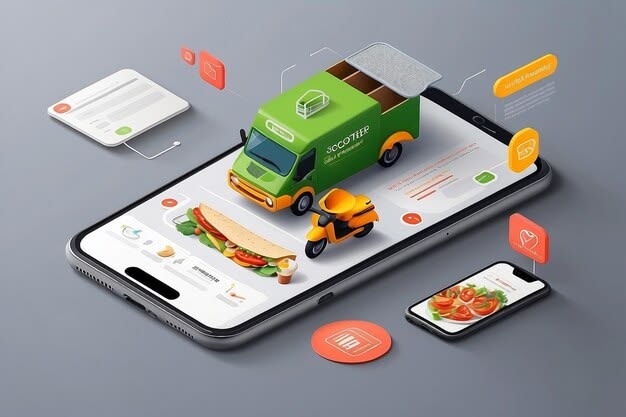
The demand for instant delivery is transforming how consumers purchase groceries, household essentials, personal care products, medicines, snacks, and other everyday items. Customers increasingly expect their orders to arrive within minutes rather than waiting for traditional delivery timelines. This shift has created significant opportunities for businesses to invest in quick commerce applications that offer fast ordering, real-time inventory visibility, and efficient last-mile delivery.

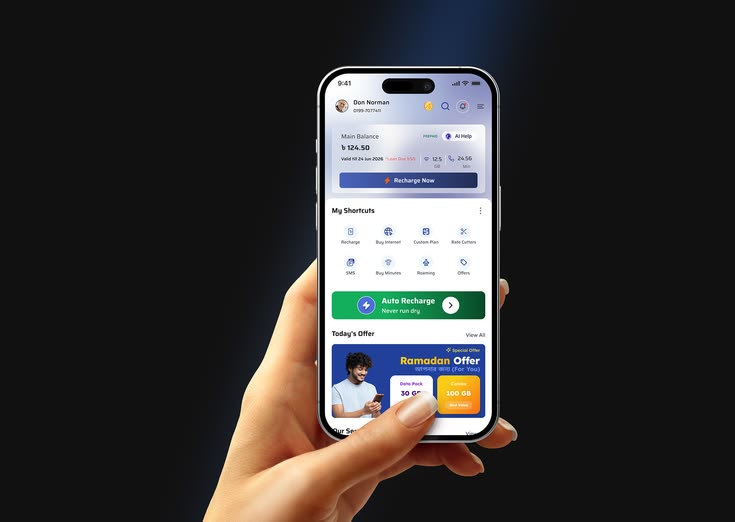
Customer App
Customer App

10-Min Fast Checkout

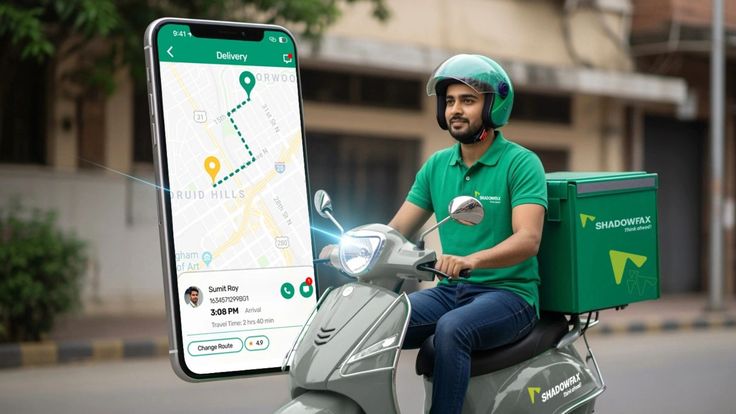
Delivery Partner App

Live GPS Route Tracking

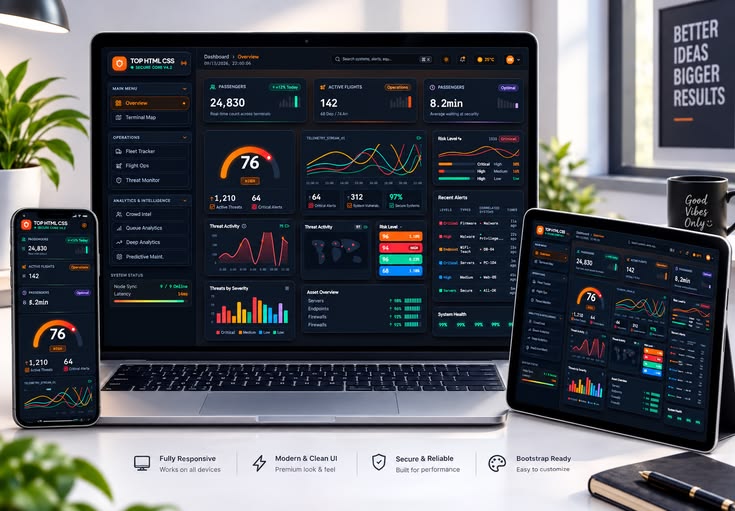
Dark Store Dashboard
Dark Store & Admin Panel

Real-Time Inventory Sync

Ecosystem Strategy

Complete Digital Ecosystem for Instant Commerce

Launching a successful quick commerce platform requires more than a user-friendly mobile application. Businesses need a complete digital ecosystem that connects customers, store owners, delivery partners, inventory systems, and administrators. A well-developed platform can simplify order processing, improve operational efficiency, and help businesses deliver a convenient shopping experience.

HybridPlus Infotech helps businesses explore custom software and mobile application development solutions tailored to their business objectives. As a quick commerce app development company, HybridPlus Infotech can help plan and develop digital platforms featuring online shopping, real-time order tracking, inventory management, payment integration, delivery management, and administrative controls.

Whether you are a startup planning to launch a hyperlocal delivery service or an established retailer looking to expand into instant commerce, a customized quick commerce application can help you build a scalable business model and respond to evolving customer expectations.

What Is Quick Commerce App Development?

Quick commerce app development involves creating mobile and web applications that enable customers to order products online and receive deliveries within a short period. These platforms typically operate through nearby retail stores, dark stores, micro-fulfillment centers, or local warehouses.

Unlike conventional e-commerce businesses that may deliver orders over several days, quick commerce focuses on faster fulfillment through localized inventory, efficient order routing, and optimized delivery operations.

A quick commerce platform generally consists of a customer application, delivery partner application, store or warehouse management system, and an administrative dashboard. These components work together to manage the complete order lifecycle, from product discovery and checkout to picking, packing, dispatch, and delivery confirmation.

Businesses can customize the platform according to their product categories, delivery locations, service hours, pricing strategy, and operational requirements.

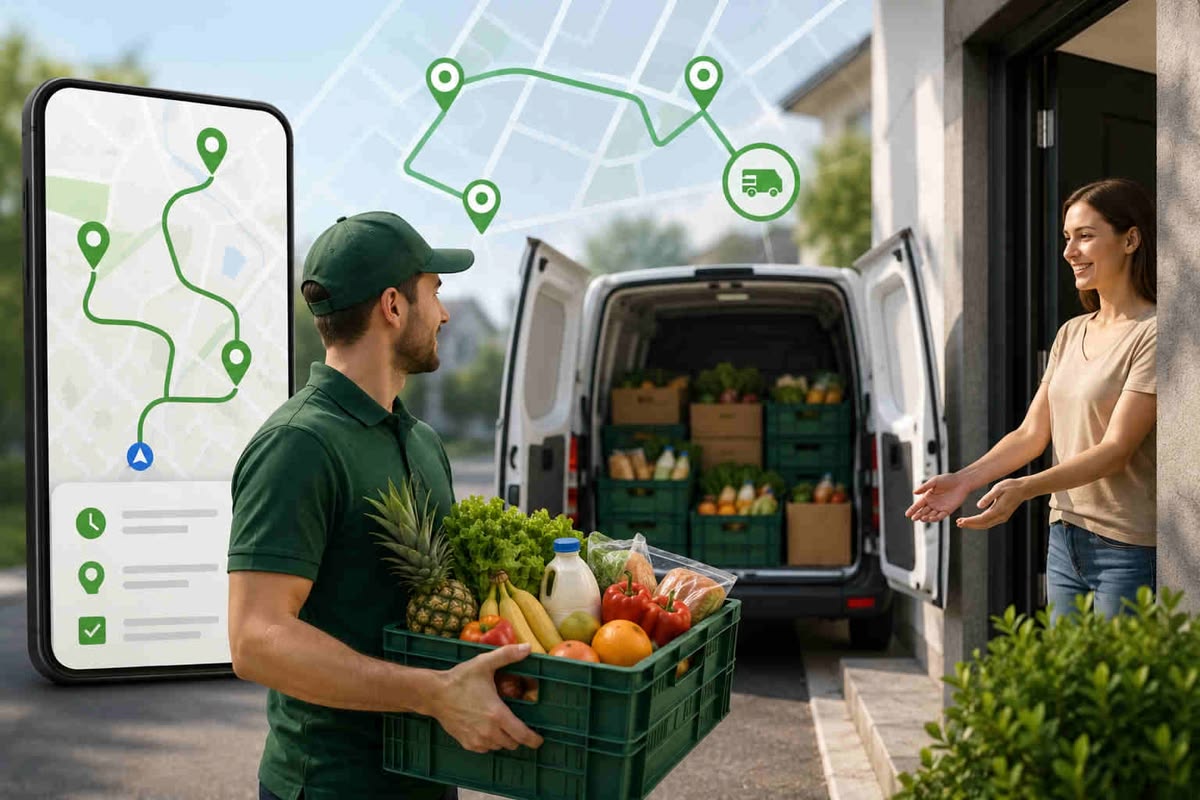
Fast Delivery Warehouse

Why Invest in Quick Commerce App Development?

Consumer shopping habits and expectations are changing rapidly. Businesses that make essential products accessible through convenient digital channels can create new revenue opportunities and strengthen customer relationships.

1. Meet Growing Customer Expectations

Customers value convenience, speed, and reliable service. A quick commerce application allows users to browse products, check availability, place orders, and monitor deliveries from their smartphones. A simple shopping experience can encourage repeat purchases and help businesses serve customers who prefer ordering online instead of visiting physical stores.

2. Expand Your Customer Reach

A digital platform allows businesses to serve customers across selected neighborhoods and delivery zones without depending exclusively on walk-in traffic. With an appropriate hyperlocal strategy, businesses can expand their service areas gradually, based on order demand, inventory availability, and delivery capacity.

3. Improve Operational Efficiency

Automated order processing, inventory synchronization, delivery assignment, and customer notifications can reduce repetitive manual work. A centralized management system also helps administrators monitor orders, stock levels, delivery performance, and customer activity from one place.

4. Build Multiple Revenue Streams

Quick commerce businesses can generate revenue through product sales, delivery fees, subscriptions, commissions, promotional placements, and partnerships, depending on their business model. The right combination depends on customer demand, product margins, operating expenses, and local competition.

5. Encourage Customer Retention

Features such as personalized recommendations, loyalty rewards, reorder options, discount coupons, and subscription benefits can help businesses encourage repeat orders. A smooth checkout process and consistent delivery experience are equally important for long-term customer retention.

What We Offer

Our Quick Commerce App Development Services

HybridPlus Infotech can help businesses define and develop quick commerce solutions based on their target market, business model, and technical requirements.

Custom Quick Commerce

Custom Quick Commerce App Development

Custom development enables businesses to build a platform around their operational workflows instead of relying entirely on standard marketplace functionality. The application can include product catalogs, customer accounts, shopping carts, payment processing, order tracking, promotional campaigns, delivery management, and administrative controls.

Grocery Delivery

Grocery Delivery App Development

Grocery delivery applications allow customers to order fresh produce, packaged foods, beverages, household supplies, and daily essentials. A customized solution can include category-based browsing, product substitutions, inventory updates, delivery slots where applicable, and recurring order functionality.

Hyperlocal Delivery

Hyperlocal Delivery App Development

Hyperlocal applications connect customers with nearby stores and delivery partners. The platform can use location services to identify eligible stores, calculate delivery fees, define serviceable areas, and assign orders according to operational rules. This model is suitable for businesses serving specific neighborhoods, cities, or local markets.

Multi Vendor

Multi-Vendor Quick Commerce Marketplace Development

A multi-vendor marketplace allows multiple retailers to list products and fulfill customer orders through a shared digital platform. The system can include vendor registration, product management, order allocation, commission calculations, settlement reports, and store-level performance analytics.

Modernization

Quick Commerce App Modernization

Businesses with existing delivery applications may need better performance, improved user experience, or additional functionality. Modernization can involve redesigning interfaces, improving application architecture, integrating new services, strengthening security, and optimizing inventory or delivery workflows.

Essential Features of a Quick Commerce Application

The success of a quick commerce platform depends on selecting features that support both customer convenience and operational efficiency.

1. Customer Application

Easy registration/login, location detection, address management, product search, category browsing, cart/checkout, multiple payment options, order status notifications, delivery tracking, ratings, reviews, customer support, and quick reordering.

2. Real-Time Inventory Management

Displays stock availability based on selected store location, low-stock alerts, product substitutions, stock reservations, and synchronization with point-of-sale or warehouse systems to prevent cancellations.

3. Real-Time Order Tracking

Monitors order stages such as confirmed, being prepared, packed, picked up, and delivered. GPS integration provides delivery partner live location updates and estimated arrival times.

4. Delivery Partner Application

Helps delivery personnel receive and manage orders with acceptance controls, pickup details, turn-by-turn navigation, customer contact options, delivery instructions, proof of delivery, and earnings summaries.

5. Store and Warehouse Management

Order queues, picking and packing workflows, inventory adjustments, product availability controls, and order handover confirmation. Routes orders to suitable centers based on stock, proximity, and workload.

6. Admin Dashboard

Centralized control over customer management, vendor onboarding, delivery partner oversight, product approvals, order monitoring, pricing configuration, coupon/commission management, and sales reports.

7. Payment Gateway Integration

Supports UPI, debit/credit cards, net banking, digital wallets, and Cash on Delivery. Includes transaction status handling, payment confirmation, refund workflows, and reconciliation support.

8. Push Notifications & Promotions

Informs customers about order confirmations, dispatches, delivery updates, and offers. Promotional tools support coupon codes, targeted campaigns, referral programs, loyalty rewards, and recommendations.

9. Analytics and Business Reporting

Tracks order volume, average order value, repeat purchase rate, fulfillment time, cancellation rate, stock availability, delivery cost, and customer retention to guide business decisions.

Methodology

Our Quick Commerce App Development Process

A structured development process helps align technical implementation with business requirements.

STEP 01
Business Analysis & Planning

Understanding business model, target customers, product categories, service areas, order volume, and fulfillment strategy.

STEP 02
UI/UX Design

Developing wireframes and interfaces for customers, store managers, delivery partners, and administrators.

STEP 03
Technology & Architecture

Selecting mobile apps, web panels, APIs, databases, cloud infrastructure, and real-time communication services.

STEP 04
Application Development

Implementing customer app, rider app, store tools, and admin dashboard in structured development phases.

STEP 05
Testing & Quality Assurance

Testing device compatibility, performance, security, payment workflows, inventory accuracy, and simulated peak demand.

STEP 06
Deployment & Launch

Deploying hosting, app store submissions, operational training, inventory setup, and rider onboarding.

STEP 07
Maintenance & Optimization

Bug fixes, security updates, performance monitoring, analytics review, and ongoing feature development.

How Much Does Quick Commerce App Development Cost?

The cost of quick commerce app development depends on the platform's features, design complexity, number of applications, third-party integrations, and operational requirements. The following estimates are indicative planning ranges for development in India, not fixed quotations.

Basic Application

₹3L – ₹6L

Browsing, ordering & admin

Advanced Multi-Vendor

₹15L – ₹30L

Multi-vendor fulfillment

Enterprise Solution

₹30L+

High scalability & integrations

Factors That Influence Development Cost:

• Feature requirements: Advanced functionality, personalized recommendations, and complex delivery workflows increase development effort.
• Platform selection: Developing Android, iOS, and web applications may require a larger investment than starting with a limited platform scope.
• Third-party integrations: Maps, payment gateways, SMS services, analytics tools, and inventory systems add implementation and recurring costs.
• Design complexity: Custom interfaces, accessibility requirements, and specialized user journeys affect design and development time.
• Scalability and infrastructure: Expected traffic, data volume, availability requirements, and real-time processing influence infrastructure decisions.
• Maintenance and support: Hosting, monitoring, updates, and ongoing enhancements contribute to the total cost of ownership.

For a more accurate estimate, businesses should define their launch locations, product categories, required applications, expected order volume, and fulfillment model before finalizing the project scope.

Build Your Quick Commerce App with HybridPlus Infotech

The quick commerce industry offers opportunities for businesses that can combine convenient digital shopping with reliable fulfillment and efficient delivery operations. The right technology platform can help you manage products, orders, customers, vendors, and delivery partners through a connected system.

If you are looking for a top-rated quick commerce app development company, HybridPlus Infotech can help you discuss your business requirements, evaluate the essential features, and plan a customized application development solution.

Contact HybridPlus Infotech to explore your quick commerce app idea and take the next step toward building your digital delivery business.

Logistics Operations

Industries That Can Benefit from Quick Commerce Solutions

Grocery and Daily Essentials

Grocery businesses can offer fresh produce, packaged foods, beverages, and household supplies through nearby fulfillment locations.

Pharmacy & Healthcare

Eligible pharmacies can use digital ordering platforms to manage product availability and delivery workflows, subject to licensing and prescription rules.

Beauty & Personal Care

Retailers can offer cosmetics, skincare products, hygiene essentials, and personal care items through convenient local delivery services.

Electronics & Accessories

Businesses can enable customers to order selected electronic accessories, chargers, cables, and other available products from nearby stores.

Pet Supplies

Pet retailers can provide convenient access to food, treats, grooming products, and everyday pet essentials.

Convenience Stores

Local stores can expand their digital reach by offering snacks, beverages, stationery, household goods, and frequently purchased items.

Frequently Asked Questions (FAQs)

Find quick answers to common quick commerce app development questions.

A quick commerce app is a digital shopping platform designed to enable customers to order everyday products and receive them quickly. It typically combines product browsing, inventory management, online payments, order tracking, and local delivery operations.

Development costs may start at approximately ₹3 lakh–₹6 lakh for a basic application. Mid-level platforms may cost ₹6 lakh–₹15 lakh, while advanced multi-vendor or enterprise solutions can cost ₹15 lakh or more. Actual costs depend on features, platforms, integrations, and project complexity.

A basic application may take approximately 3–4 months, while a feature-rich platform may require 4–8 months or longer. The timeline depends on the number of applications, integration complexity, testing requirements, and project scope.

Essential features include customer registration, product search, inventory management, shopping cart, payment integration, order tracking, delivery partner management, push notifications, and an admin dashboard. Multi-vendor platforms may also require vendor onboarding, commission management, and settlement reports.

Yes. A grocery delivery application can support product categories, stock availability, cart management, payment processing, order tracking, and delivery assignment. Additional functionality can include product substitutions, recurring orders, and integration with existing store inventory systems.

Yes. A multi-vendor platform can allow multiple retailers to list products, manage inventory, receive orders, and monitor sales. The administrator can manage vendor approvals, commissions, order allocation, and performance reporting.

Technology choices depend on the project's requirements. Solutions may use Flutter or React Native for cross-platform mobile applications, native technologies for platform-specific apps, backend frameworks such as Laravel or Node.js, databases such as MySQL or PostgreSQL, and cloud infrastructure for deployment.

The platform tracks product availability at individual stores or fulfillment centers. Inventory updates can occur through the application, store management panel, point-of-sale system, or integrated inventory software. Accurate synchronization helps reduce overselling and order cancellations.

Yes. Payment gateways can support eligible digital payment methods, while mapping and location services can help calculate distances, display delivery progress, and support navigation. Availability and pricing depend on the selected providers and integration requirements.

Revenue models may include product margins, delivery fees, vendor commissions, subscription plans, promotional placements, and partnerships. The best approach depends on customer demand, operating costs, competitive conditions, and the business model.
Let's work together

Contact us for Digital Solutions.

Contact Us

Or call us now 78510 18812

shape
shape
shape
shape