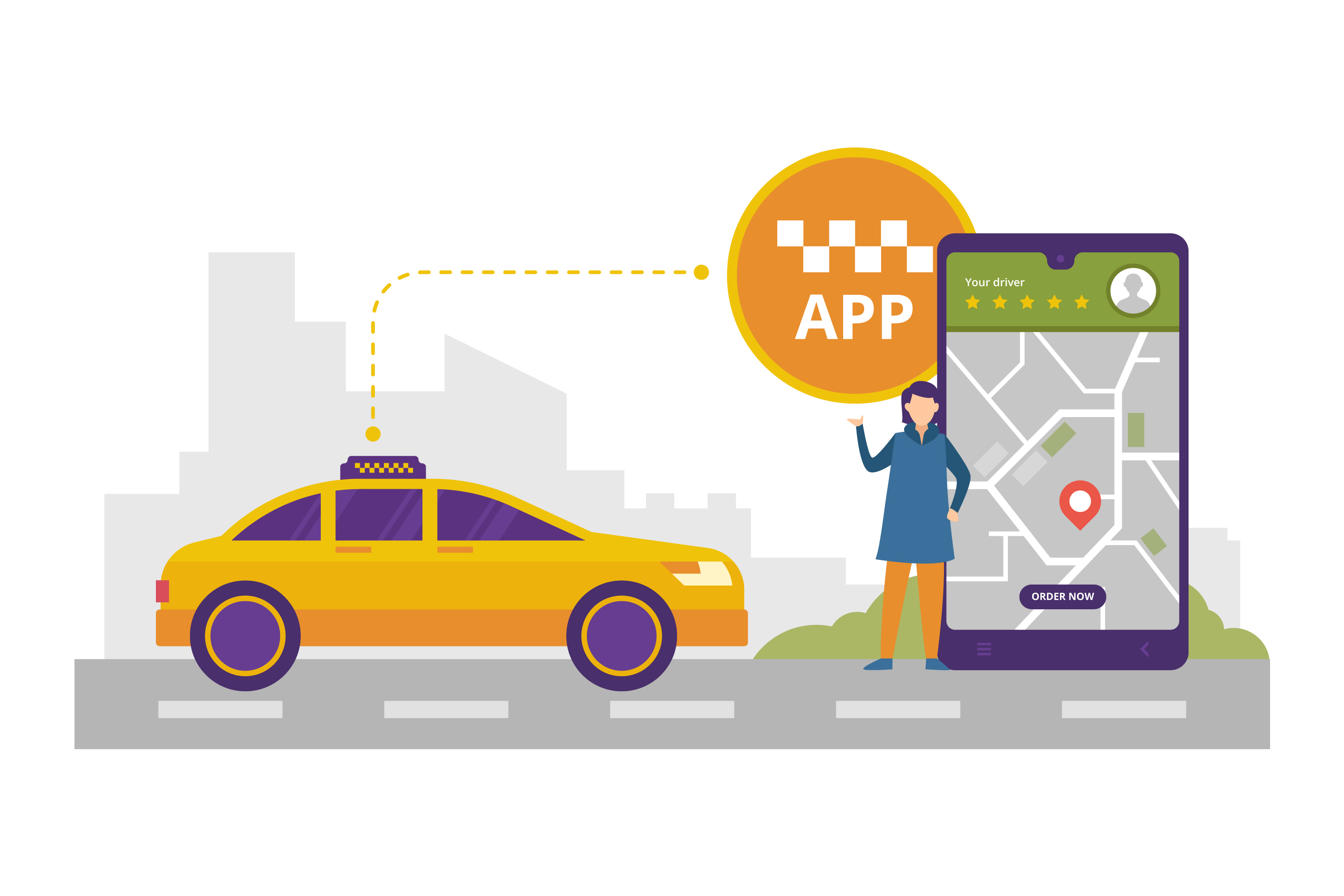
City travelers face new choices thanks to how ride services now work on demand. Since phones handle most bookings today, building better taxi apps brings interest from fresh companies, independent minds, even those running old vehicle pools. People going places today expect fast scheduling, live updates, and paying online - shaping taxis into essential move options in crowded areas. Even with tough rivals around, making money from taxi apps remains possible through 2025 and beyond.
Success now often comes from knowing your community well, serving unusual needs, or using smart tools behind the scenes. Think about drivers switching to electric vehicles or setting up ride systems just for women - each idea fits somewhere unique. Size doesn’t always decide if something works out there. Starting a taxi company using an app makes sense, you’ll see why. Features matter - certain ones drive success. Profitable ideas for taxi apps exist, clear options show up here. Before building, know your path - that clarity comes first.
Why Start a Taxi Business with a Mobile App?
Starting fresh in digital tools isn’t just smart - it’s necessary now for transport companies. Those who build taxi services around app-based systems often outpace older, manual operators.
1. Digital Convenience for Users
People often pick their ride fast, skipping time standing outdoors or dialing numbers. Apps let them see trips booked right away, who drives it, along with costs shown clearly - this helps build confidence while making choices.
2. Better Fleet Management
Using a taxi app helps monitor cars as they move, moment by moment. Drivers’ schedules become easier to handle when systems are involved. Routes shift smoothly based on current traffic patterns. Less fuel gets burned each trip because paths are refined. Workloads rise each day simply because more trips are booked.
3. Higher Customer Retention
Every now and then, a nudge through push - like a deal or a reminder - brings users back for more rides. Instead of chasing singles, having its own app pulls people in deeper over time. Repeated trips start to feel normal, almost expected.
4. Competitive Advantage
Faster options now beat old taxi systems when it comes to safety and ease. A booking app shows your name feels current, trustworthy, able to grow.
Key Features Required in a Taxi Booking App
Success inside a taxi booking app comes down to making things easy to use and trustworthy - for riders, drivers, and those managing it.
1. User App Features
When riding feels easy, it helps the service spread. Key bits in taxi apps?
- Simple user registration and profile creation
- Real-time GPS tracking of drivers
- Easy ride booking with fare estimation
- Multiple payment options such as UPI, cards, and wallets
- Ride history, ratings, and reviews
Features like these bring ease, clarity, and security straight to riders.
2. Driver App Features
Drivers make up the core of any ride service. Their app needs to offer:
- Easy onboarding with KYC verification
- Trip request management and ride status updates
- Earnings dashboard with daily and weekly reports
- Navigation support and instant alerts
A system that works better for drivers leads to higher retention and better service.
3. Admin Panel Features
From the heart of the system, the admin dashboard holds sway. Its core functions must include:
- Fleet and driver management
- Commission settings and dynamic pricing control
- Detailed reports, analytics, and revenue tracking
A strong backend keeps things running without hiccups, also allowing room to grow.
Profitable Taxi App Development Ideas for Startups
Picking a solid niche sets your business up for long-term success. These stand out when it comes to earning potential in taxi ventures and app trends seeing more interest lately.
1. Local City-Based Taxi App
Begin by focusing on just a single city or region - this helps keep things manageable while needing less funding. It works because:
- Reduced competition compared to national platforms
- Strong local brand recognition
- Better profit margins due to focused operations
Some big taxi companies started in just one city at first. They grew from there.
2. Electric Vehicle (EV) Taxi App
Nowhere is clean transport gaining attention like it is today. Green ride-hailing services bring these gains:
- Lower fuel and maintenance costs
- Government subsidies and incentives
- Positive environmental branding
This setup works well when staying green matters, especially in busy city areas.
3. Women-Safety Focused Taxi App
Nowhere is safety more sought after than in today’s digital spaces. Often at the forefront - are tools built around protection. They usually come equipped with:
- Female drivers for female passengers
- Emergency SOS buttons and live tracking
- Verified driver background checks
Trust grows fast in these services, along with real community value - yet they still make money.
4. Corporate Taxi Booking App
Getting people to work every day matters for businesses. When rides come from a system built for companies, there's usually what follows:
- Scheduled office pickups and drop-offs
- Monthly subscription-based billing
- Long-term contracts with businesses
This guarantees a consistent and reliable revenue stream.
5. Bike and Auto Taxi App
In busy city areas, budget-friendly ways to move around tend to gain strong followings. These come with benefits like:
- Lower ride fares attracting budget users
- Faster travel in traffic-heavy areas
- High ride demand throughout the day
This is one of the fastest-growing taxi startup ideas in metro regions.
6. Luxury and Premium Taxi App
Premium upscale rides serve wealthy passengers and visitors. They offer:
- Airport transfers and chauffeur services
- High-end vehicles and professional drivers
- Higher per-ride profit margins
Even though it’s a bit specialized, this area can really bring in great returns.
How to Choose the Right Taxi App Development Company?
Picking a trustworthy taxi app builder matters when setting up a system that works safely and handles growth well.
1. Experience in Ride-Hailing Apps
Pick a company that already has work in on-demand taxi apps or ride-hailing systems. They’ll know how GPS tracking works, how instant bookings get made, along with handling payments smoothly.
2. Customization and Scalability
Skip fixed formats. Building a custom taxi app gives you room to shape your identity, adjust functions freely, while leaving space to evolve when the company expands.
3. Security and Compliance
A professional development partner needs to put this into practice:
- Secure payment gateways
- Data encryption and privacy protection
- Compliance with regional transport and digital laws
Trust grows slowly when systems prove they can be counted on over time.
4. Post-Launch Support
Once live, steady upgrades come first - bugs fade when attention stays sharp. Keeping things running means watching closely, not just patching but adjusting. Teams that hold this pace see apps stay strong, move forward without hiccups.
Conclusion
One way to stay ahead in 2025–2026? Build a taxi app that actually works. Instead of chasing trends, pick what fits - electric vehicles, business trips, cycling options, or high-end rides. A clear direction often brings steady results. Starting a taxi service today often means using app tech to connect more easily with customers. Fleet operations become smoother when tools are well built into the system. Revenue grows faster under smart business designs. Not every approach works equally well though. Strong outcomes come from pairing key functions with solid planning. A seasoned coding partner makes a difference too. One way to start is by checking what advisors say about where money is moving, how things earn cash, and what tech needs attention. HybridPlus works closely with emerging taxi startups to design, build, and support app-based ride solutions that grow steadily in real-world markets.
Frequently Asked Questions
1. How much does taxi app development cost?
A ride booking app might cost somewhere mid-range to expensive, based on what it does, which system it runs on, or how much gets adjusted. Simple versions take fewer resources. Yet complex taxi-style services often need far more funding upfront.
2. Which taxi business model is most profitable?
What stands out is how some corporate taxis, electric taxi networks, and high-end ride services earn more. These ones tend to keep customers coming back, which lifts their profits.
3. Can small startups compete with big taxi apps?
True that is. If changes halt, apps slow down, dangers increase, plus people walk away - ongoing upkeep holds operations steady.
4. Can startups reduce maintenance costs?
True. Usually, upkeep takes priority - begin there, scale up once others pitch in.
5. How do I choose the right maintenance provider?
Start by looking at earlier projects - know the real expenses, take clear safety steps, since trustworthy workers usually stay longer.