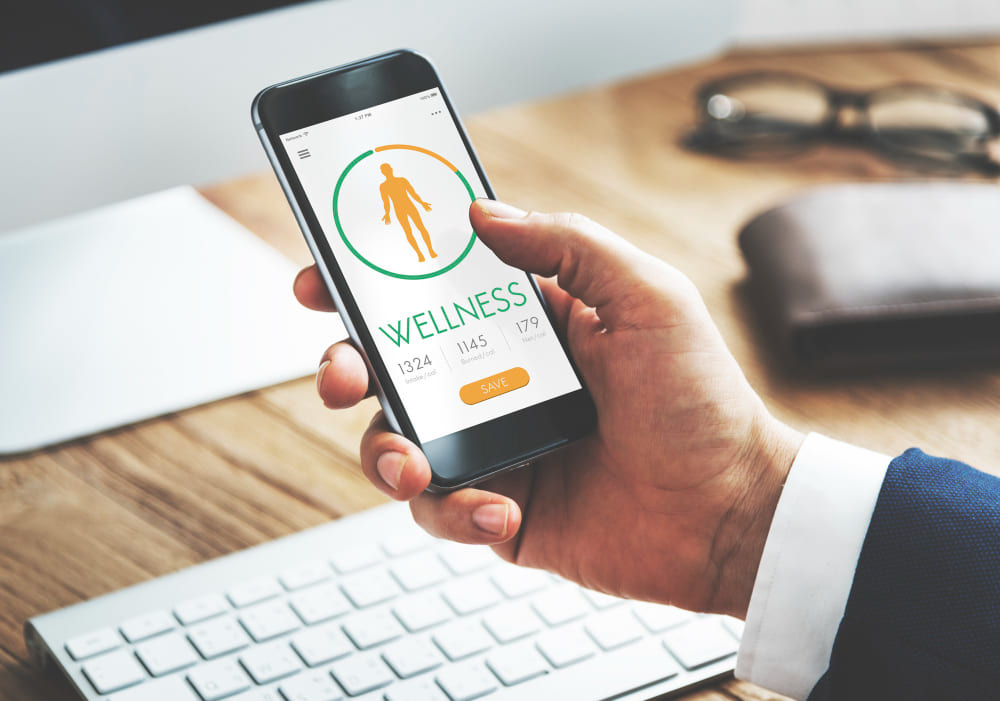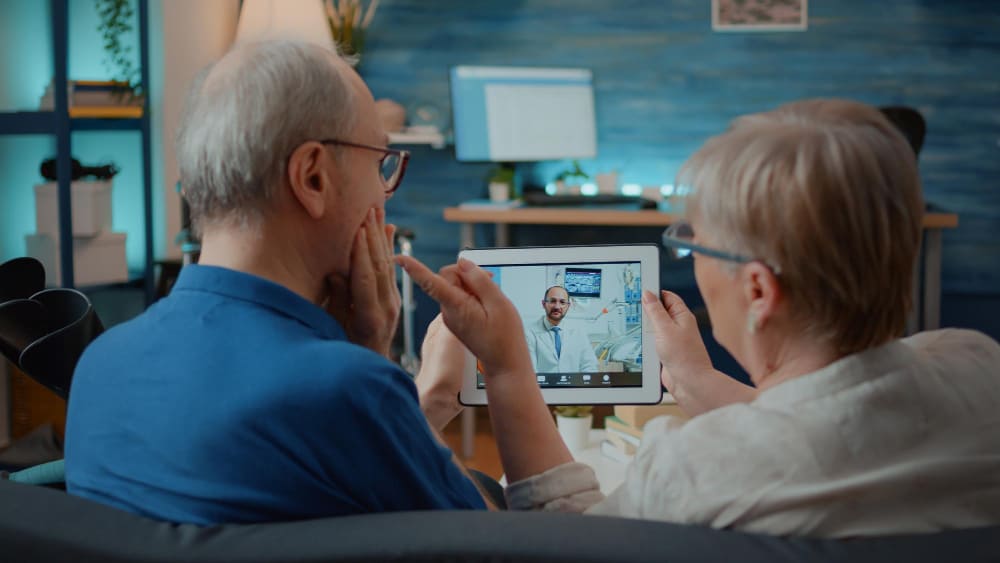
Telemedicine has transformed the healthcare industry by making medical consultations more accessible, convenient, and efficient. Patients can connect with doctors remotely, schedule appointments, share medical reports, receive digital prescriptions, and make online payments without visiting a clinic.
For healthcare providers, hospitals, startups, and healthcare entrepreneurs, investing in a telemedicine application can create a scalable digital healthcare ecosystem. However, developing a successful telemedicine app requires more than video calling. It involves secure communication, appointment management, electronic health records, payment integration, doctor management, notifications, and strong data security.
What Is a Telemedicine App?
A telemedicine app is a digital healthcare platform that enables patients and healthcare professionals to communicate and provide healthcare services remotely. Depending on the business model, users can consult doctors through video calls, audio calls, or secure text messaging.
A telemedicine application can support several healthcare activities, including:
- Online doctor consultations
- Video and audio appointments
- Appointment scheduling
- Digital prescriptions
- Patient medical records
- Online payments
- Doctor profiles and availability
- Medical report sharing
- Push notifications
- Consultation history
- Pharmacy and medicine delivery integration
- Health reminders
Telemedicine apps can be developed for hospitals, private clinics, healthcare startups, individual doctors, insurance companies, and specialized healthcare platforms.
Why Invest in Telemedicine App Development?
The growing adoption of smartphones, internet connectivity, and digital healthcare services has increased demand for remote medical consultations. Patients increasingly expect healthcare services to be available through convenient digital channels.
Convenient Healthcare Access
Patients can consult healthcare professionals from their homes or workplaces without spending time traveling to hospitals or clinics.
Wider Patient Reach
Doctors and healthcare organizations can serve patients outside their immediate geographical areas, subject to applicable medical licensing and regulatory requirements.
Better Appointment Management
Digital scheduling helps healthcare providers manage appointments, availability, cancellations, and consultation records more efficiently.
Improved Patient Engagement
Notifications, reminders, follow-ups, digital prescriptions, and access to health records can improve communication between healthcare providers and patients.
Scalable Healthcare Business
A well-designed telemedicine platform can support multiple doctors, specialties, locations, and patient accounts, making it suitable for growing healthcare businesses.
Must-Have Features of a Telemedicine App
A successful telemedicine platform generally consists of three major panels: patient, doctor, and admin. Each panel requires different features based on its responsibilities.
Patient App Features
User Registration and Login
Patients should be able to create accounts using email, phone numbers, or supported authentication methods. Secure authentication helps protect sensitive medical information.
Doctor Search
Patients should be able to find doctors based on:
- Specialty
- Experience
- Consultation fee
- Availability
- Location
- Ratings
- Languages
An effective search and filtering system makes it easier for patients to select the right healthcare professional.
Doctor Profiles
A doctor profile can include qualifications, specialization, experience, consultation fees, available time slots, professional information, and patient reviews.
Online Appointment Booking
Patients can view available slots and book consultations directly through the application. The system should automatically update doctor availability to reduce scheduling conflicts.
Video Consultation
Secure video consultation is one of the core features of telemedicine applications. Depending on requirements, developers can integrate third-party video APIs or build customized communication functionality.
Audio and Chat Consultation
Some patients may prefer text or voice communication. Providing multiple consultation options can make the platform more flexible.
Digital Prescription
After a consultation, doctors can create digital prescriptions containing medicines, dosage instructions, duration, and other relevant information.
Medical Records
Patients can upload and manage reports, prescriptions, medical documents, and consultation history from their accounts.
Online Payments
The app can integrate payment gateways to allow patients to pay consultation fees digitally.
Ratings and Reviews
Patients can provide feedback after consultations. Reviews can help other users evaluate doctors and can also provide healthcare providers with useful feedback.
Doctor App Features
Doctor Registration
Doctors should be able to create professional profiles and submit required credentials for verification.
Availability Management
Doctors can define working hours, consultation slots, holidays, and appointment availability.
Appointment Management
Doctors can accept, reject, reschedule, or complete appointments from their dashboards.
Patient Records
Authorized doctors can review relevant patient information, previous consultations, uploaded reports, and prescriptions.
Digital Prescription Management
Doctors can generate and send prescriptions digitally after consultations.
Earnings Dashboard
For marketplace-based telemedicine platforms, doctors can view consultation earnings, completed appointments, transaction history, and payouts.
Notifications
Doctors can receive reminders about upcoming consultations, new bookings, cancellations, and other important activities.
Admin Panel Features
The admin dashboard manages the overall telemedicine ecosystem.
Important admin features may include:
- User management
- Doctor management
- Doctor verification
- Appointment management
- Payment management
- Commission management
- Prescription monitoring
- Content management
- Reports and analytics
- Reviews and complaints
- Notifications
- Promotional offers
- Dashboard statistics
A centralized admin panel gives business owners greater control over the platform.
Advanced Features for Telemedicine Apps
Depending on the target audience and business model, advanced functionality can make the application more competitive.
AI-Powered Healthcare Assistance
AI can help with preliminary symptom information, appointment recommendations, healthcare FAQs, and administrative automation. However, AI functionality should not replace qualified medical professionals where clinical diagnosis or treatment decisions are involved.
Electronic Health Records
Integration with electronic health record systems can help authorized healthcare professionals access relevant patient information efficiently.
Wearable Device Integration
Telemedicine applications can potentially connect with supported wearable devices to collect information such as heart rate, activity levels, or other health metrics.
Multilingual Support
Supporting multiple languages can make healthcare applications accessible to a wider audience.
Medicine Delivery Integration
A telemedicine platform can integrate pharmacy services so patients can order prescribed medicines after consultations.
Lab Test Integration
Users can potentially book laboratory tests and receive digital reports through the same healthcare ecosystem.
How to Develop a Telemedicine App?
Developing a telemedicine application requires systematic planning and execution.
Step 1: Define the Business Model
Start by determining your target users and business model. You may develop a platform for:
- Hospitals
- Clinics
- Individual doctors
- Healthcare startups
- Multi-specialty healthcare providers
- Corporate healthcare services
Decide whether revenue will come from consultation commissions, subscriptions, appointment fees, advertising, or other services.
Step 2: Conduct Market Research
Analyze competitors, target audiences, pricing models, healthcare regulations, and user expectations. This helps identify gaps in existing telemedicine platforms.
Step 3: Select Core Features
Create an MVP with the most important functionality rather than trying to build every feature at once.
A basic MVP may include registration, doctor profiles, appointment booking, video consultations, payments, notifications, prescriptions, and admin management.
Step 4: Design UI/UX
The healthcare application should have a clean and easy-to-use interface. Patients may include users with different levels of technical experience, so navigation should be simple.
Important design considerations include:
- Easy registration
- Clear doctor profiles
- Simple appointment booking
- Accessible consultation buttons
- Readable medical information
- Clear payment flow
- Secure account management
Step 5: Choose Technology Stack
The technology stack depends on project requirements.
A typical telemedicine application may use:
Frontend: React Native, Flutter, Swift, Kotlin, React.js
Backend: Node.js, Laravel, Python, Java, or similar technologies
Database: MySQL, PostgreSQL, MongoDB
Cloud: AWS, Microsoft Azure, Google Cloud, or another suitable provider
Video: WebRTC or third-party video communication APIs
Payment: Stripe, Razorpay, PayPal, or other regional gateways
The final technology selection should depend on scalability, security, budget, integration requirements, and development expertise.
Telemedicine App Security and Compliance
Healthcare applications handle sensitive personal and medical information, making security one of the most important aspects of development.
Developers should consider:
- Secure authentication
- Data encryption
- Secure API communication
- Role-based access control
- Protected medical records
- Secure payment processing
- Audit logs
- Regular security testing
- Secure cloud infrastructure
- Data backup and recovery
Compliance requirements depend on the countries and regions where the application operates. For example, healthcare businesses operating in the United States may need to consider HIPAA requirements, while organizations operating in other jurisdictions may have different privacy and healthcare regulations.
Legal and compliance requirements should be evaluated with qualified professionals before launching the application.
How Much Does Telemedicine App Development Cost?
The cost of developing a telemedicine app depends on its features, complexity, platforms, design, integrations, development team, and location.
A basic application with registration, doctor profiles, appointments, chat, video consultation, and payments will generally cost less than an advanced healthcare ecosystem containing AI, EHR integration, wearable connectivity, pharmacy integration, laboratory services, and complex analytics.
Major factors affecting development cost include:
- Number of platforms
- UI/UX complexity
- Backend architecture
- Video consultation technology
- Payment integrations
- Third-party APIs
- Security requirements
- Admin functionality
- Healthcare integrations
- Testing requirements
- Maintenance and support
The best way to determine an accurate budget is to prepare a detailed feature list and technical specification before development begins.
Benefits of Hiring Professional Telemedicine App Development Services
Building a healthcare application requires expertise in mobile development, backend systems, security, APIs, cloud infrastructure, and healthcare workflows.
Professional telemedicine app development services can help businesses create a customized platform based on their specific requirements.
An experienced development team can assist with:
- Business and technical planning
- UI/UX design
- Mobile app development
- Backend development
- API integration
- Video consultation implementation
- Payment gateway integration
- Security implementation
- Testing
- Deployment
- Maintenance and upgrades
Choosing an experienced development partner can also help reduce technical risks and improve the application's scalability.
Why Choose HybridPlus Infotech for Telemedicine App Development?
HybridPlus Infotech can help businesses transform healthcare ideas into scalable digital solutions through customized software and mobile application development. The team can develop telemedicine platforms around specific business requirements instead of relying only on generic solutions.
From patient and doctor applications to admin dashboards, appointment management, online consultations, digital prescriptions, payment integration, and healthcare-related integrations, every component can be planned according to the project's objectives.
HybridPlus Infotech focuses on creating user-friendly interfaces, scalable backend systems, secure application architecture, and flexible functionality for healthcare businesses. Whether you are launching a healthcare startup, digitizing an existing clinic, or building a multi-doctor consultation platform, a customized development approach can help create a solution that supports future growth.
Businesses can also start with an MVP and gradually introduce advanced features based on user feedback and market demand.
How to Choose the Right Telemedicine App Development Company?
Before selecting a development company, consider several important factors.
Healthcare Development Experience
Review the company's experience in healthcare applications and related software solutions.
Technical Expertise
Check whether the team has experience with mobile development, backend technologies, APIs, cloud platforms, video communication, and security.
Portfolio
Review previous projects to understand the company's development quality and capabilities.
Security Approach
Ask how the company handles authentication, encryption, data protection, access control, and compliance requirements.
Post-Launch Support
Telemedicine applications require regular maintenance, bug fixes, security updates, and feature improvements. Choose a company that offers reliable post-launch support.
Conclusion
Telemedicine app development provides healthcare businesses with an opportunity to deliver convenient and technology-driven medical services. A successful platform combines patient-friendly design, doctor management, secure communication, appointment scheduling, digital prescriptions, payments, medical records, and strong security.
Whether you are a healthcare startup, hospital, clinic, or established medical organization, defining your business model and selecting the right features is essential before development begins.
With the right technology stack, development strategy, security practices, and experienced development partner, you can build a scalable telemedicine platform that delivers value to both healthcare providers and patients.
FAQs
1. How much does it cost to develop a telemedicine app?
The cost depends on features, platforms, integrations, design complexity, security requirements, and development time. A detailed project specification is required for an accurate estimate.
2. How long does it take to build a telemedicine app?
A basic MVP can take several months, while an advanced telemedicine platform with multiple integrations and complex features can require considerably more development time.
3. What are the main features of a telemedicine app?
Important features include user registration, doctor profiles, appointment scheduling, video consultation, chat, digital prescriptions, medical records, payments, notifications, and admin management.
4. Can a telemedicine app include online pharmacy services?
Yes. A telemedicine platform can integrate pharmacy functionality, allowing users to order medicines based on applicable prescriptions and local regulations.
5. Is telemedicine app development secure?
It can be secure when developed with appropriate authentication, encryption, access controls, secure APIs, infrastructure protection, testing, and applicable healthcare privacy requirements.
6. Can I integrate AI into a telemedicine application?
Yes. AI can be used for administrative automation, symptom information, appointment assistance, healthcare FAQs, and other suitable use cases. Clinical applications require careful validation and appropriate medical oversight.
7. Why should I hire a telemedicine app development company?
A professional development company can provide expertise in healthcare workflows, mobile development, backend architecture, integrations, security, testing, deployment, and ongoing maintenance.