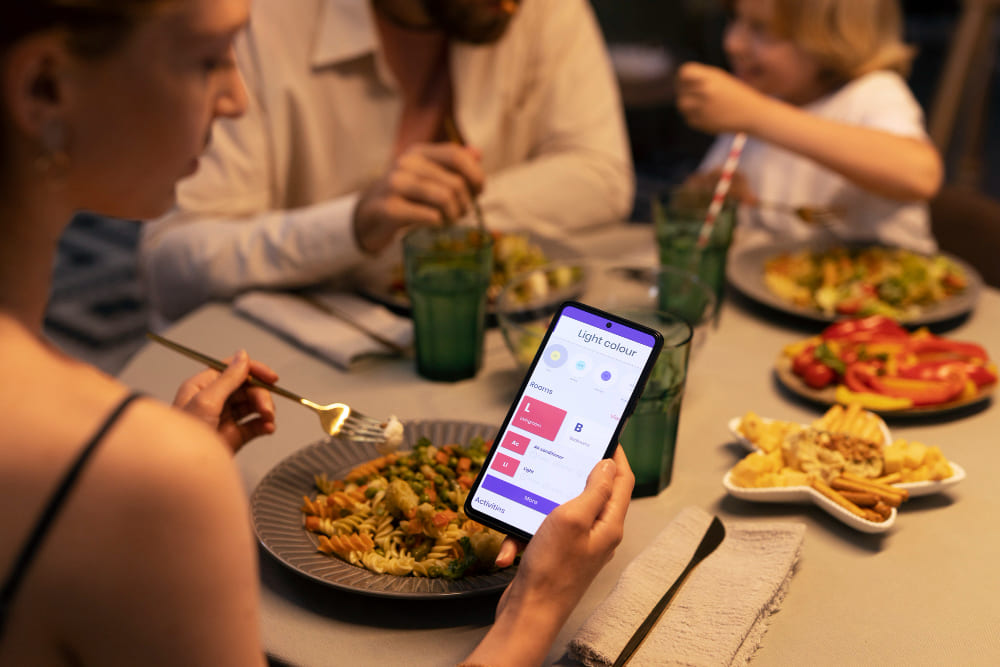
The online food delivery industry has transformed how people order meals, groceries, and everyday essentials. Customers can now browse restaurants, compare menus, place orders, and receive deliveries without leaving their homes. Among the companies leading this transformation is DoorDash, one of the most recognized food delivery platforms in the United States.
DoorDash connects customers with restaurants, grocery stores, convenience stores, and delivery drivers through its digital platform. Its business model combines technology, logistics, and marketplace services to generate revenue from multiple sources.
Understanding the DoorDash business model is useful for entrepreneurs, startups, and businesses planning to enter the food delivery market. By examining how DoorDash operates, generates revenue, and maintains its competitive position, business owners can identify opportunities to develop their own delivery platforms.
In this article, we will explore how DoorDash makes money, its major revenue streams, operational structure, business model, and the features that contribute to its success.
What Is DoorDash?
DoorDash is an on-demand delivery platform that connects customers with local businesses and independent delivery drivers, known as Dashers. Customers use the DoorDash website or mobile application to order food, groceries, and other products from participating merchants.
The platform coordinates the ordering and delivery process, allowing merchants to reach more customers without necessarily building their own delivery infrastructure.
DoorDash operates through a multi-sided marketplace involving three primary participants:
- Customers: People who order food, groceries, and other products.
- Merchants: Restaurants, grocery stores, and retailers that sell products through the platform.
- Dashers: Delivery drivers who collect orders and deliver them to customers.
DoorDash facilitates transactions between these groups and earns revenue through commissions, delivery and service fees, subscriptions, advertising, and other business services.
Its model demonstrates how a technology-driven marketplace can create value for multiple participants while generating income from different activities.
How Does the DoorDash Business Model Work?
The DoorDash business model operates through a digital marketplace that manages ordering, payment processing, merchant coordination, and delivery logistics.
1. Customer Places an Order
Customers open the DoorDash application or website, enter their delivery location, and browse available restaurants and stores. They select products, customize their orders, and complete payment through the platform.
2. Merchant Receives the Order
Once an order is submitted, the restaurant or retailer receives the details and begins preparing the products. The merchant manages food preparation or order fulfillment.
3. Dasher Is Assigned
DoorDash coordinates delivery by connecting the order with an available Dasher. The delivery professional collects the order from the merchant and transports it to the customer's location.
4. Customer Receives the Delivery
The customer receives the order and can use the application to track delivery progress, review the experience, and place future orders.
5. DoorDash Generates Revenue
DoorDash earns money through applicable merchant commissions, customer fees, subscription programs, advertising, and other services. The precise charges depend on the merchant agreement, order, location, and service selected.
This interconnected system enables DoorDash to operate at scale without owning every restaurant or employing every delivery driver directly.
How DoorDash Makes Money: Major Revenue Streams
DoorDash uses several revenue streams to support its business. Diversifying its income sources helps the company generate revenue from customers, merchants, advertisers, and business partners.
1. Merchant Commissions
Merchant commissions are an important part of the DoorDash marketplace model.
Restaurants and other participating businesses pay commissions on orders received through the platform. In exchange, they gain access to DoorDash customers, ordering technology, delivery services, and marketing opportunities.
Commission rates vary according to merchant agreements and the services included. Different plans may offer different levels of delivery support, promotional exposure, or access to customers.
For example, a restaurant receiving orders through DoorDash may pay an agreed commission on completed transactions. The restaurant receives the remaining sales proceeds after applicable platform charges and other adjustments.
This revenue stream allows DoorDash to earn money as order volume increases.
2. Delivery Fees
DoorDash may charge customers a delivery fee for bringing an order from a restaurant or store to their location.
The delivery fee can vary based on factors such as distance, location, demand, promotions, and the type of order. Some eligible orders may have reduced or waived delivery fees.
Delivery fees help support the logistics involved in completing orders, including delivery compensation and platform operations.
However, a delivery fee should not be confused with pure profit. DoorDash incurs costs associated with coordinating deliveries and maintaining the systems that support its marketplace.
3. Service Fees
In addition to delivery fees, DoorDash may charge customers a service fee during checkout.
Service fees help cover platform-related expenses, including technology, payment processing, customer support, and marketplace operations. The exact fee depends on the order and applicable pricing terms.
For customers, the total checkout amount may include product prices, taxes, delivery charges, service fees, and optional tips.
For DoorDash, these customer charges represent another potential source of revenue, although the associated operating costs must also be considered.
4. DashPass Subscription Revenue
DashPass is DoorDash's subscription program for eligible customers who order frequently.
Subscribers pay a recurring fee to access benefits on qualifying orders, which can include reduced delivery fees and lower service fees when the applicable conditions are met.
The subscription model offers several advantages:
- Generates recurring revenue.
- Encourages customers to order more frequently.
- Improves customer retention.
- Makes the platform more attractive to regular users.
- Creates opportunities to promote other eligible marketplace services.
For example, a customer who regularly orders lunch and dinner may find a subscription more economical than paying standard delivery fees on every eligible order.
DoorDash benefits when subscription members remain active and continue using the marketplace. However, subscription revenue must be evaluated alongside the cost of providing member benefits.
5. Advertising Revenue
Advertising is another important component of DoorDash's business model.
Restaurants and brands can pay to increase the visibility of their products within the platform. Sponsored listings and other advertising placements help merchants reach customers who are browsing for meals or shopping for products.
For example, a restaurant launching a new menu might pay for sponsored placement so that more relevant customers discover its offerings.
DoorDash can generate advertising revenue without relying exclusively on commissions from completed orders. Advertising also gives merchants an additional way to compete for customer attention.
As the platform attracts more users and collects useful shopping and ordering insights, its advertising services can become increasingly valuable to businesses.
6. Grocery and Retail Delivery
DoorDash has expanded beyond restaurant delivery into grocery, convenience, and other retail categories.
Customers can use the platform to order groceries, household products, personal care items, and other eligible goods from participating merchants.
DoorDash can generate revenue from these transactions through applicable merchant arrangements, customer fees, and related services.
Expanding into grocery and retail creates opportunities to increase order frequency because customers may need everyday essentials more regularly than restaurant meals.
It also allows DoorDash to use its existing delivery infrastructure across a broader range of shopping occasions.
7. Merchant Technology and Business Services
DoorDash offers services that help merchants manage online orders, reach customers, and operate their businesses more effectively.
Depending on the product and agreement, merchants may access ordering technology, delivery solutions, online storefronts, and other operational tools.
These services can help businesses accept digital orders and coordinate delivery without building every component independently.
Technology and business services strengthen DoorDash's relationships with merchants while creating additional commercial opportunities beyond traditional marketplace transactions.
8. White-Label and Delivery Logistics Services
DoorDash also provides delivery and logistics capabilities to businesses that need to fulfill orders originating outside the traditional DoorDash marketplace.
Through services such as DoorDash Drive, eligible businesses can arrange deliveries for orders placed through their own websites, applications, or other ordering channels.
For example, a restaurant may receive an order directly through its website but use an external delivery network to transport it to the customer.
This approach allows DoorDash to monetize its logistics capabilities even when the customer does not discover or place the order through the main DoorDash marketplace.
DoorDash Business Model Canvas
The Business Model Canvas provides a simplified overview of how DoorDash creates, delivers, and captures value.
Key Partners
- Restaurants and food businesses.
- Grocery stores and retailers.
- Independent delivery professionals.
- Payment processing providers.
- Technology and cloud infrastructure providers.
- Advertising partners.
Key Activities
- Managing the ordering marketplace.
- Coordinating delivery logistics.
- Developing and maintaining digital platforms.
- Acquiring and retaining customers.
- Supporting merchant partnerships.
- Operating advertising and subscription services.
Key Resources
- Mobile applications and website.
- Marketplace technology.
- Brand recognition.
- Customer and merchant relationships.
- Delivery coordination systems.
- Data and operational expertise.
Value Propositions
For customers: Convenient ordering, product variety, delivery tracking, and access to local businesses.
For merchants: Additional sales opportunities, digital visibility, ordering technology, and delivery support.
For Dashers: Opportunities to earn through eligible delivery work under the platform's applicable arrangements.
Customer Segments
- Individuals and families ordering meals.
- Frequent delivery customers.
- Restaurants and local businesses.
- Grocery and retail customers.
- Brands purchasing advertising.
- Businesses requiring delivery logistics.
Revenue Streams
Merchant commissions, customer fees, subscriptions, advertising, and merchant or logistics services.
Cost Structure
Technology development, payment processing, customer support, marketing, incentives, insurance, and other operational expenses contribute to DoorDash's cost structure.
DoorDash Business Model: An Example
Consider a hypothetical restaurant order worth $40 before taxes, tips, and customer fees.
Assume the restaurant has agreed to pay DoorDash a 20% commission on the eligible order value.
|
Item |
Amount |
|
Restaurant order value |
$40.00 |
|
Assumed merchant commission (20%) |
$8.00 |
|
Restaurant proceeds before other adjustments |
$32.00 |
In this simplified example, DoorDash earns $8 in merchant commission from the order.
The $8 is revenue, not profit. DoorDash may incur additional costs associated with delivery coordination, promotions, payment processing, support, and other operations. Customer fees may generate additional revenue where applicable, but the amount depends on the actual transaction.
This example illustrates the basic economics of a delivery marketplace: revenue can increase with transaction volume, but profitability depends on the costs required to fulfill and support those transactions.
How DoorDash Attracts and Retains Customers
Customer acquisition and retention are essential to the DoorDash business model.
Convenient User Experience
An easy-to-use mobile application helps customers search for restaurants, customize orders, pay securely, and track deliveries.
Promotions and Discounts
Eligible promotional offers can encourage first-time purchases and motivate inactive customers to return. However, promotions must be managed carefully because excessive discounts can reduce margins.
Subscription Benefits
DashPass encourages frequent users to remain engaged by offering benefits on qualifying orders.
Broad Merchant Selection
A large selection of restaurants, grocery stores, and retailers makes the platform useful for different customer needs.
Personalized Recommendations
Relevant restaurant suggestions, past-order shortcuts, and personalized promotions can simplify the ordering process and encourage repeat transactions.
Together, these strategies help strengthen customer engagement and marketplace activity.
Key Features of the DoorDash Business Model
Businesses planning to build a similar platform can learn several lessons from DoorDash.
Multi-Sided Marketplace
DoorDash serves customers, merchants, and delivery professionals through one connected ecosystem. Each group contributes to the platform's value.
Multiple Revenue Streams
The company earns money from transactions, subscriptions, advertising, and delivery-related services rather than depending on a single source.
Technology-Driven Logistics
Digital tools coordinate order acceptance, delivery assignment, tracking, and customer communication.
Scalability
A technology platform can expand into new cities and product categories without owning every participating restaurant or retail location.
Data-Driven Operations
Order patterns, customer preferences, delivery performance, and merchant activity can help the company improve recommendations and operational efficiency.
How to Build an App Like DoorDash
Entrepreneurs interested in launching a food delivery platform should begin by identifying a target market, defining a revenue model, and understanding local customer requirements.
A DoorDash-like platform generally requires several components.
Customer Application
Customers need restaurant discovery, product menus, search, cart management, secure checkout, order tracking, notifications, and ratings.
Restaurant or Merchant Panel
Merchants need tools to manage menus, prices, orders, availability, promotions, and business information.
Delivery Partner Application
Delivery professionals require order assignments, pickup and drop-off details, navigation support, delivery status updates, and earnings information.
Admin Dashboard
The administrator should be able to manage customers, merchants, delivery partners, payments, commissions, offers, disputes, and reports.
Payment and Delivery Integrations
Payment gateways, maps, notifications, and delivery coordination tools help connect the different parts of the system.
Business Model and Monetization
Before development begins, decide how the platform will earn money. Potential options include merchant commissions, delivery fees, subscriptions, sponsored listings, and business delivery services.
Why Choose HybridPlus Infotech for Food Delivery App Development?
HybridPlus Infotech helps businesses explore customized software and application development solutions based on their operational needs and business objectives. For entrepreneurs planning a DoorDash-like platform, the development process can include defining the customer application, merchant dashboard, delivery partner application, and centralized administration panel.
A well-planned food delivery solution should support a smooth ordering experience, reliable order management, secure payment integration, delivery tracking, and flexible monetization options. The exact scope depends on the target market, delivery model, required integrations, and project budget.
HybridPlus Infotech can help businesses evaluate these requirements and plan a suitable application architecture before development begins. Whether the goal is to serve a specific city, partner with local restaurants, or expand into grocery and retail delivery, a customized solution can be designed around the intended business model.
Businesses should discuss their feature requirements, preferred technology stack, scalability expectations, delivery workflows, and budget with the development team before finalizing the project scope. This approach helps establish realistic timelines and creates a clearer roadmap for launching and growing a delivery platform.
Conclusion
The DoorDash business model demonstrates how a digital marketplace can generate revenue by connecting customers, merchants, and delivery professionals through a technology-driven platform.
Its revenue streams include merchant commissions, delivery and service fees, DashPass subscriptions, advertising, grocery and retail transactions, and delivery logistics services. This diversified approach allows DoorDash to serve different customer needs while creating commercial opportunities for restaurants and other businesses.
However, revenue alone does not determine success. Delivery efficiency, customer retention, merchant satisfaction, operational costs, and competitive positioning all influence profitability.
For entrepreneurs planning to enter the food delivery market, DoorDash offers a useful example of combining technology, logistics, and multiple monetization strategies into one business model.
Frequently Asked Questions (FAQs)
1. How does DoorDash make money?
DoorDash makes money through merchant commissions, applicable customer delivery and service fees, DashPass subscriptions, advertising, merchant services, and delivery logistics solutions.
2. What is the DoorDash business model?
DoorDash follows a multi-sided marketplace model that connects customers with restaurants, retailers, and delivery professionals. It facilitates ordering and delivery while earning revenue from several sources.
3. Does DoorDash charge restaurants a commission?
Yes. Participating merchants generally pay commissions according to their agreements with DoorDash. Rates and included services can vary by merchant plan and market.
4. What is DashPass?
DashPass is DoorDash's paid subscription program that offers benefits on eligible orders, including qualifying reductions in delivery and service fees, subject to applicable terms.
5. Does DoorDash earn money from advertising?
Yes. DoorDash offers advertising opportunities that allow eligible merchants and brands to promote products and improve visibility within its marketplace.
6. Can I build an app like DoorDash?
Yes. A similar platform can be developed with customer, merchant, delivery partner, and admin interfaces. The complexity and cost depend on features, integrations, target market, and expected scale.
7. What are the main revenue streams of a food delivery app?
Common revenue streams include merchant commissions, delivery fees, service fees, subscriptions, sponsored listings, and delivery services for external orders.
8. How much does it cost to develop an app like DoorDash?
The cost depends on application complexity, platforms, integrations, design, security, and development team rates. A basic local delivery MVP will generally require less investment than a large, multi-city platform with advanced logistics and extensive integrations.