Grocery delivery is no longer a convenience. In 2026, it is a weekly habit for millions of households, and customers compare apps the way they compare supermarkets: on speed, freshness, price, and trust. Whether you are building a new platform or upgrading an existing one, the features you ship decide whether shoppers return for a second order. This guide walks through the complete 2026 feature list, from the basics every app needs to the AI-driven extras that set leaders apart, plus answers to the questions founders ask most.
Why Features Decide Which Grocery App Wins
Groceries are a repeat-purchase category with thin margins, so a clumsy experience costs more than a lost sale. It costs lifetime value. A shopper who meets a wrong substitute, a missed slot or a hidden fee once will often switch to a rival within days. Features that reduce friction, build trust and personalise the basket are therefore not extras. They are the product. The list below is organised by who uses it: customers first, then delivery partners and store teams, then the growth features that keep the whole system profitable.
Core Features Every Grocery Delivery App Needs
These are the table-stakes features. Without them, an app feels unfinished.
Easy Sign-Up and Profiles
Let users register with a phone number, email or social login, and verify with a one-time password. Saved addresses, dietary preferences and past orders should live in the profile so a repeat order takes under a minute.
Smart Search and Filters
Search must forgive typos and understand intent: "oat milk" should surface plant-based drinks even if the exact brand is out of stock. Filters for brand, price, diet (vegan, gluten-free, sugar-free) and offers help shoppers narrow thousands of products quickly. Barcode scanning and voice search add speed for people shopping on the go.
Real-Time Inventory
Nothing frustrates shoppers more than paying for an item the store does not have. Live stock sync with each store or dark store hides unavailable products, flags low stock, and prevents cancelled orders.
Flexible Delivery Slots and Instant Delivery
Offer scheduled windows, same-day delivery and 10- to 30-minute quick commerce where your dark-store network supports it. Show delivery fees and minimum order values before checkout, never after.
Secure Payments
Support UPI, cards, wallets, net banking, buy now pay later and cash on delivery where relevant. Tokenised card storage, two-factor checks and instant refunds to the original payment method build trust.
Live Order Tracking
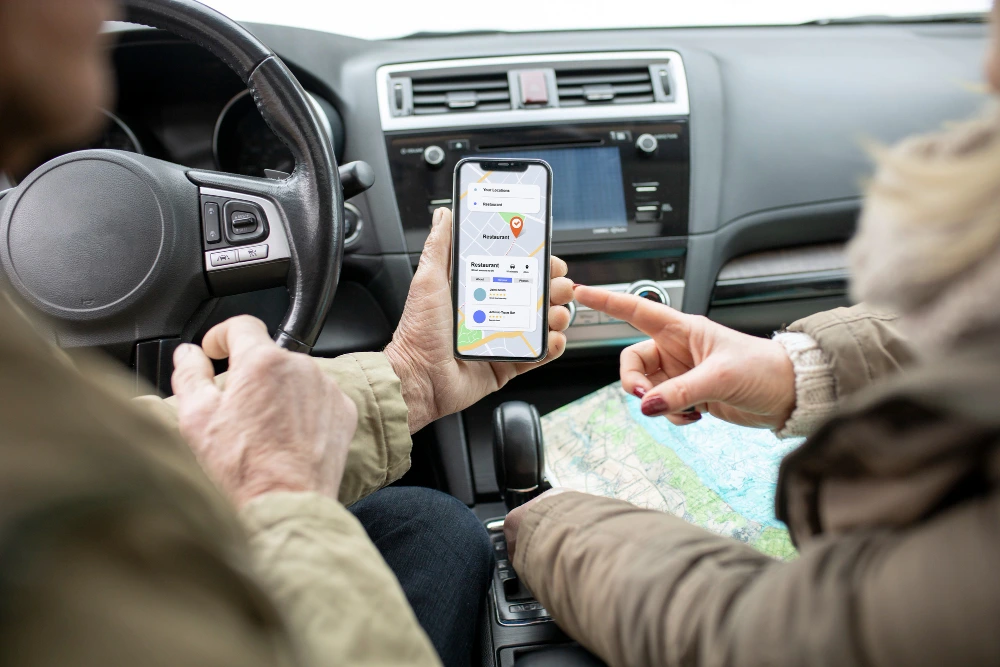
Real-time GPS tracking, accurate ETAs and status updates at every stage (packed, picked up, nearby, delivered) sharply reduce "where is my order" support tickets.
AI-Powered and Advanced Features for 2026
This is where leading apps pull ahead. Each feature below reduces effort for the shopper or cost for the operator.
Personalised Recommendations
Machine learning models use purchase history, time of day and seasonality to suggest products and build a one-tap "usual basket". Done well, recommendations lift average order value without feeling pushy.
Smart Substitutions
When an item is unavailable, the app suggests the closest match by brand, size, price and dietary profile. Customers approve or reject substitutions in chat, and the picker sees the decision instantly.
AI Shopping Assistant and Recipe-to-Cart
Conversational assistants let users type or say "ingredients for a Sunday dinner for six" and receive a ready cart. Recipe-to-cart, meal planning and budget-based baskets turn browsing into a one-step task.
Predictive Reordering
The app learns how quickly a household finishes milk, rice or detergent and nudges the reorder just before it runs out. Pair this with subscriptions for staples.
Freshness Guarantees and Quality Checks
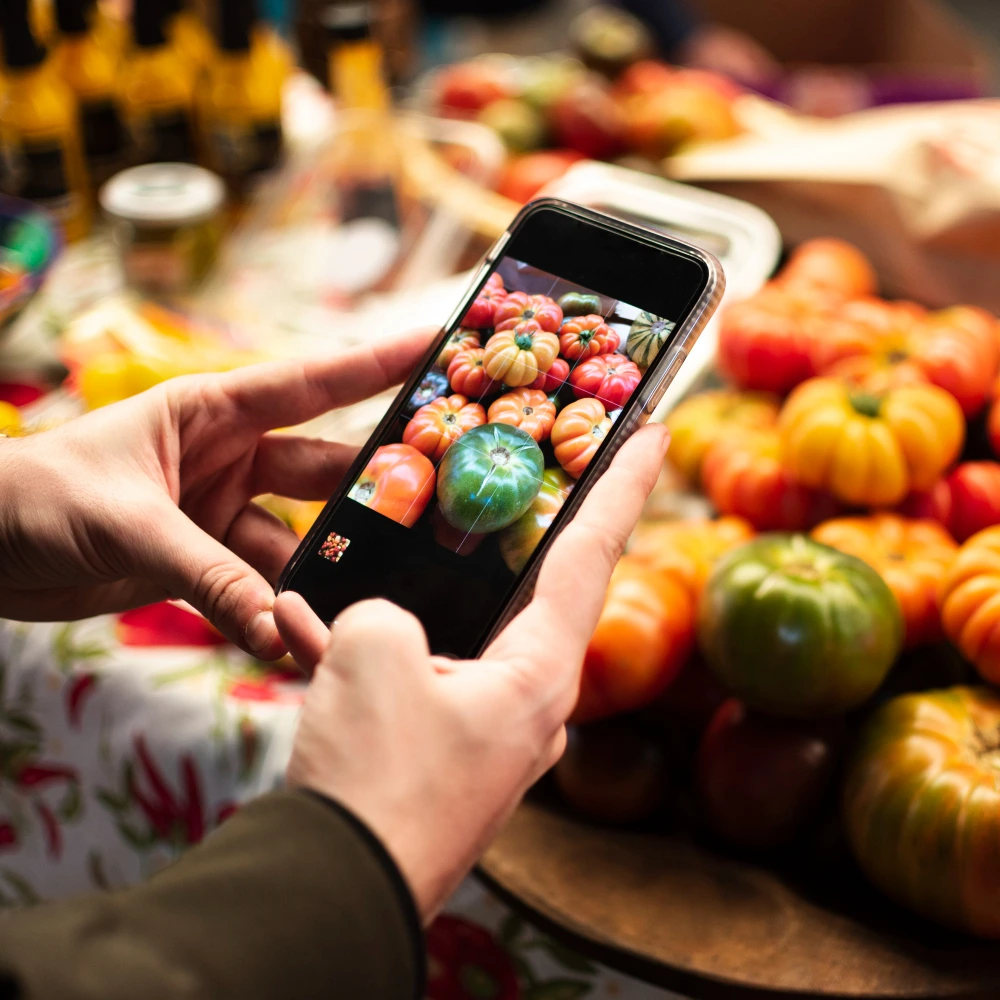
For fruit, vegetables and meat, photo confirmation at packing, quality ratings and a no-questions refund policy remove the biggest fear of buying fresh food online.
Sustainability Options
Show greener delivery slots, reduced-packaging choices and returnable bag or crate programs. Shoppers increasingly reward brands that make the sustainable choice easy.
Features for Delivery Partners and Store Admins
A great customer experience depends on the people behind it, so the operations side deserves equal design attention.
Delivery Partner App
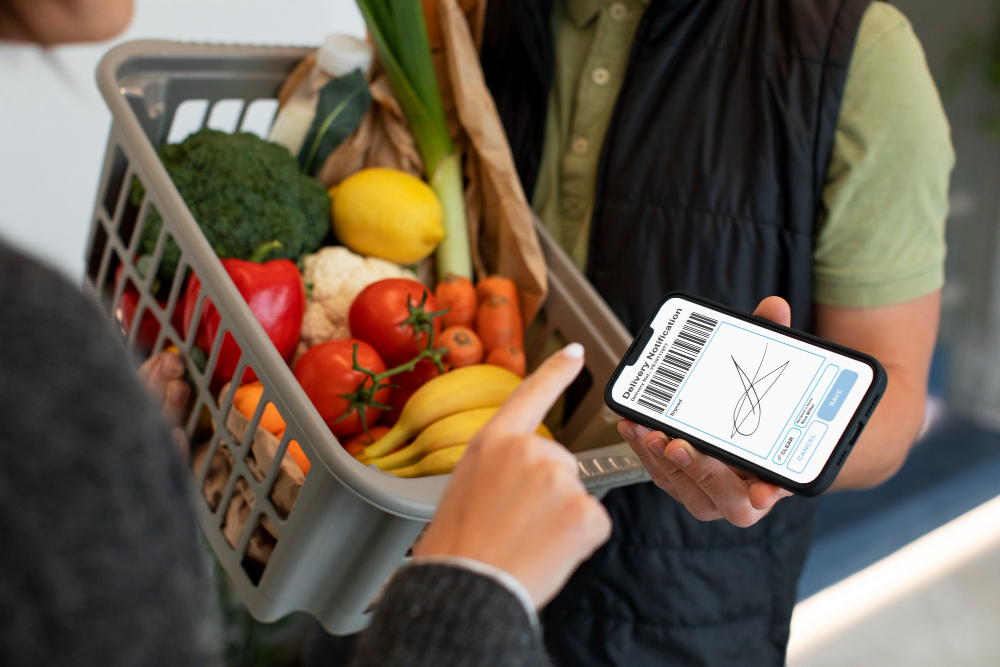
Riders need auto-assigned orders, optimised multi-drop routes, in-app navigation, proof of delivery by photo or OTP, earnings dashboards and instant or weekly payouts. Fair, transparent earnings also reduce rider churn.
Picker and Store Management Tools
Pickers need an optimised path through the store, barcode verification and a quick way to flag missing items. Store managers need catalogue and price management, stock alerts, order queues and sales reports.
Admin Dashboard and Analytics
A central dashboard should show orders, delivery times, cancellation reasons, top products and customer cohorts. Role-based access, coupon controls, zone and fee management and dispute handling keep operations tight.
Retention and Revenue Features
Acquiring a grocery customer is expensive, so these features focus on keeping them and growing each basket.
- Loyalty and rewards: points, tiers and cashback that reward frequent orders.
- Subscriptions and memberships: free delivery, member pricing and priority slots for a monthly fee.
- Coupons and referrals: first-order discounts, bundle deals and invite-a-friend credits.
- Ratings, reviews and chat support: product and delivery feedback, with fast in-app help.
- Multi-language and accessibility support: regional languages, larger text and screen-reader compatibility.
- Smart notifications: back-in-stock alerts, price drops and delivery updates through push, SMS or WhatsApp.
Conclusion
The best grocery delivery apps of 2026 combine reliable fundamentals with intelligent personalisation and well-supported operations. Start with a solid core of search, live inventory, flexible slots, secure payments and tracking. Then layer on AI recommendations, smart substitutions and loyalty programs as your order volume grows. Prioritise the features that remove the most friction for your shoppers first, measure repeat orders, and iterate from there.
FAQs
What are the must-have features of a grocery delivery app?
The essentials are user profiles, smart search with filters, real-time inventory, flexible delivery slots, secure multi-option payments, and live order tracking. Admin and delivery partner apps are equally necessary for the platform to run.
How much does it cost to build a grocery delivery app?
Costs vary widely by region, team, and scope. As a rough, approximate guide, a basic MVP may cost around $25,000 to $60,000, while a full platform with AI features, partner apps, and an admin panel can exceed $100,000. Get quotes against a clear feature list.
How long does it take to develop a grocery delivery app?
An MVP typically takes three to five months, and a full-featured platform six to twelve months. Timelines depend on integrations such as payments, maps and inventory systems.
Which technologies are used to build grocery apps?
Common choices include React Native or Flutter for mobile, Node.js or Python for the backend, PostgreSQL and Redis for data, cloud hosting, mapping APIs, payment gateways and machine learning services for recommendations.
How do grocery delivery apps make money?
Revenue usually comes from delivery fees, commissions from partner stores, subscription memberships, sponsored product placements and margins on private-label products.