The food delivery industry continues to evolve as consumers look for convenient, flexible, and personalized ways to order meals. From restaurant delivery platforms to healthy meal subscriptions and AI-powered food recommendations, businesses have multiple opportunities to develop apps that address specific customer needs. In 2026, entrepreneurs can explore innovative food delivery app ideas that combine convenience, technology, and efficient delivery management.
However, launching a successful food delivery app requires more than an attractive interface. Businesses need to identify their target audience, understand local demand, select the right business model, and plan their technology investment carefully. A well-designed application can help restaurants, cloud kitchens, grocery businesses, and independent food vendors reach more customers.
Let’s look at the 15 food delivery app ideas to invest in 2026, their potential benefits, key features, and important considerations for entrepreneurs planning to enter the food delivery market.
Why Invest in a Food Delivery App in 2026?
Food delivery apps have become an important part of modern food businesses. Customers increasingly value online ordering, real-time tracking, digital payments, flexible delivery options, and personalized recommendations. These expectations create opportunities for startups and established businesses to introduce specialized delivery platforms.
Here are some reasons businesses are exploring food delivery app development:
- Convenience: Customers can order food without visiting restaurants.
- Wider customer reach: Restaurants can serve customers beyond their immediate locations.
- Multiple revenue streams: Businesses can generate revenue through delivery fees, commissions, subscriptions, and promotions.
- Customer insights: Order histories and customer preferences can support better business decisions.
- Business scalability: A well-planned platform can expand into new locations, cuisines, and customer segments.
The key is to select an idea that solves a genuine customer problem instead of simply copying existing applications.
15 Food Delivery App Ideas to Invest In 2026
1. Multi-Restaurant Food Delivery App
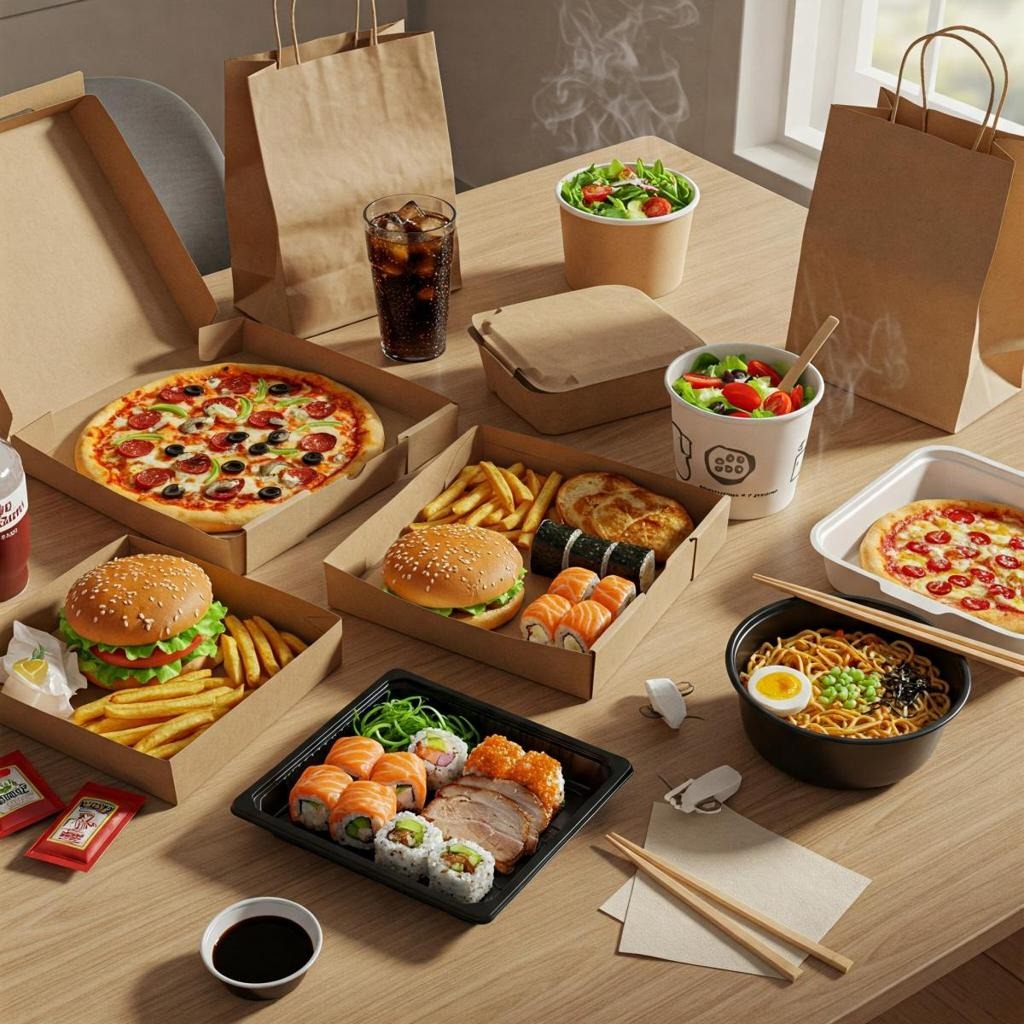
A multi-restaurant food delivery app allows customers to explore menus, compare prices, and order meals from different restaurants through a single platform. This business model is suitable for entrepreneurs who want to build a marketplace connecting restaurants, customers, and delivery partners.
The platform can earn revenue through restaurant commissions, delivery charges, featured listings, and promotional campaigns.
Key features:
- Restaurant listings and menus
- Advanced search and filters
- Online payments and cash on delivery
- Real-time order tracking
- Ratings and customer reviews
- Restaurant and delivery partner dashboards
Investment consideration: Competition can be significant, so businesses should focus on a specific city, customer segment, or restaurant category before expanding.
2. Healthy Food Delivery App
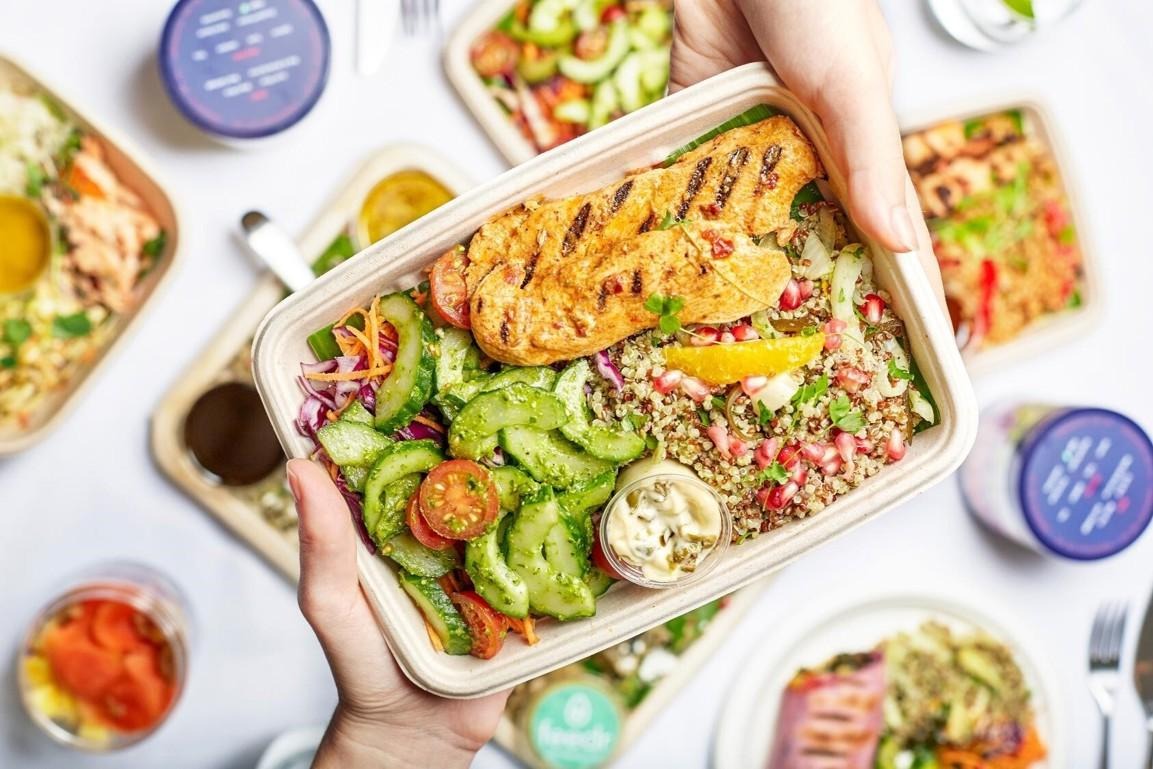
A healthy food delivery app focuses on nutritious meals, calorie-conscious menus, and balanced diets. It can serve fitness enthusiasts, office employees, health-conscious consumers, and people looking for convenient meal planning.
Users can select meals based on dietary preferences, including vegetarian, vegan, high-protein, low-carb, and gluten-free options.
Key features:
- Nutritional information and calorie tracking
- Personalized meal recommendations
- Weekly and monthly meal plans
- Subscription management
- Allergen and ingredient information
- Scheduled deliveries
Businesses can generate recurring revenue through subscriptions and partnerships with nutrition-focused kitchens.
3. Cloud Kitchen Delivery App
A cloud kitchen delivery app connects customers with commercial kitchens that prepare food specifically for online orders. Unlike traditional restaurants, cloud kitchens can operate without a dedicated dine-in area, potentially reducing certain operational expenses.
Entrepreneurs can build an app for a single cloud kitchen or create a marketplace featuring multiple virtual food brands.
Key features:
- Multiple virtual restaurant brands
- Menu customization
- Kitchen order management
- Delivery assignment
- Order analytics
- Promotional offers
The business model works well for food entrepreneurs who want to test different cuisines or brands without establishing multiple traditional restaurants.
4. Grocery and Essentials Delivery App
A grocery delivery app allows customers to order groceries, packaged foods, beverages, and everyday household essentials. Combining grocery delivery with prepared food delivery can help businesses serve a broader range of customer needs.
Key features:
- Product categories and inventory management
- Shopping cart and digital payments
- Delivery slot selection
- Product substitutions
- Order tracking
- Repeat ordering
Businesses should evaluate inventory accuracy, delivery radius, storage requirements, and fulfillment costs before launching this type of application.
5. Home-Cooked Food Delivery App
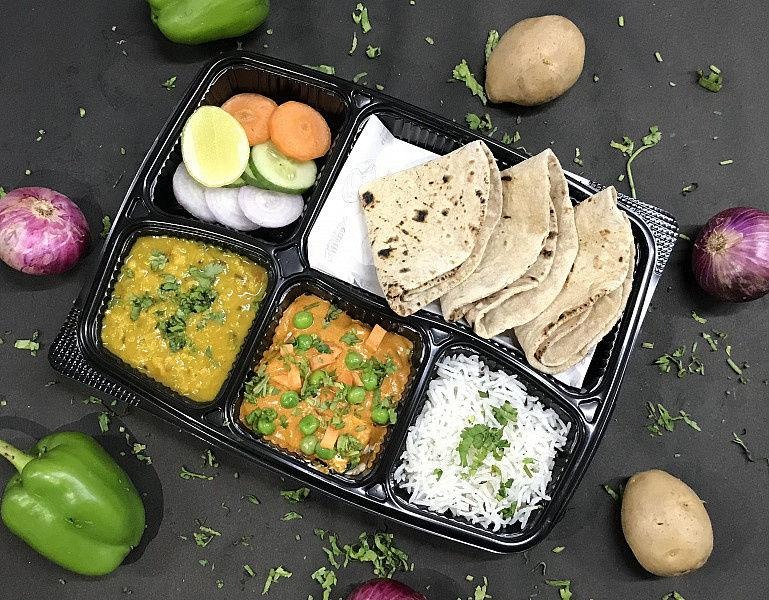
A home-cooked food delivery app connects customers with home chefs who prepare traditional meals, regional dishes, and homemade specialties. It can appeal to students, working professionals, people living away from their families, and customers seeking alternatives to standard restaurant meals.
Key features:
- Home chef profiles
- Daily menus and meal schedules
- Regional cuisine filters
- Pre-ordering and subscriptions
- Customer reviews
- Food preparation and delivery updates
Businesses should verify applicable food safety requirements, vendor eligibility, and hygiene standards before onboarding home chefs.
6. Office Lunch Delivery App
An office lunch delivery app focuses on employees who need convenient weekday meals. Businesses can partner with restaurants, caterers, and cloud kitchens to provide individual lunch orders or bulk corporate meals.
Key features:
- Office location-based delivery
- Scheduled lunch orders
- Corporate billing
- Bulk ordering
- Weekly meal subscriptions
- Group ordering for teams
This model can support repeat purchases by targeting office complexes, coworking spaces, business parks, and corporate campuses.
7. Subscription-Based Meal Delivery App
A subscription-based food delivery app allows customers to pay for regular meal deliveries over a selected period. Customers might subscribe to breakfast, lunch, dinner, or complete meal packages.
Key features:
- Daily, weekly, and monthly plans
- Automatic recurring payments
- Delivery scheduling
- Meal plan customization
- Subscription pauses and renewals
- Loyalty rewards
The subscription model can help businesses plan demand and build recurring customer relationships. However, menu variety, consistent quality, and timely deliveries are essential for customer retention.
8. AI-Powered Food Recommendation App
An AI-powered food delivery app uses customer preferences, order histories, dietary requirements, and browsing behavior to suggest relevant meals.
Instead of searching through hundreds of dishes, customers can receive recommendations based on their tastes, budgets, and previous orders.
Key features:
- Personalized food suggestions
- Preference-based recommendations
- Smart search
- Dietary preference filters
- Frequently ordered meal suggestions
- Personalized offers
Businesses can start with straightforward recommendation algorithms and introduce more advanced AI capabilities as customer data and operational needs grow.
9. Late-Night Food Delivery App
A late-night food delivery app targets customers who need food outside conventional restaurant operating hours. Potential customers include night-shift employees, students, travelers, and people working late.
Key features:
- Late-night restaurant listings
- Real-time restaurant availability
- Location-based delivery estimates
- Secure digital payments
- Live order tracking
- Scheduled late-night orders
Entrepreneurs should research local demand, restaurant participation, delivery partner availability, and safety arrangements before launching.
10. Vegan and Plant-Based Food Delivery App
A vegan food delivery app specializes in plant-based meals, dairy-free alternatives, and vegan-friendly restaurant menus. It can help customers identify suitable dishes without checking every ingredient manually.
Key features:
- Vegan restaurant listings
- Ingredient transparency
- Allergen information
- Plant-based meal subscriptions
- Restaurant certification details where applicable
- Customer reviews
A specialized platform can differentiate itself through accurate menu information, suitable restaurant partnerships, and convenient discovery features.
11. Regional Cuisine Delivery App
A regional cuisine delivery app focuses on traditional dishes from particular states, cities, or cultural communities. It can feature regional specialties that may not be readily available through general-purpose delivery platforms.
For example, a platform might specialize in Rajasthani, South Indian, Bengali, Gujarati, or other regional cuisines.
Key features:
- Region-based food categories
- Local restaurant partnerships
- Traditional meal packages
- Regional festival specials
- Local language support
- Pickup and delivery options
Starting with a clearly defined regional market can help businesses develop a recognizable identity and build relationships with local food vendors.
12. Food Waste Reduction and Surplus Food App
A surplus food delivery app connects restaurants, bakeries, cafes, and grocery stores with customers interested in purchasing eligible unsold food at reduced prices.
The goal is to improve food utilization while providing businesses with an additional way to sell suitable surplus products.
Key features:
- Discounted surplus food listings
- Pickup and delivery scheduling
- Food availability updates
- Expiry and freshness information
- Vendor dashboards
- Digital payments
Food safety, storage conditions, applicable regulations, and clear consumption timelines must be central to this business model.
13. Catering and Bulk Food Ordering App
A catering delivery app helps customers arrange food for corporate meetings, weddings, family celebrations, parties, and other events. Instead of placing numerous individual orders, users can browse caterers and submit bulk requirements through one platform.
Key features:
- Catering packages
- Guest count and portion selection
- Custom menu requests
- Advance booking
- Bulk pricing and quotations
- Event delivery scheduling
This model can generate revenue through commissions, vendor subscriptions, and lead generation. Reliable supplier coordination is particularly important for large orders.
14. Pet Food Delivery App
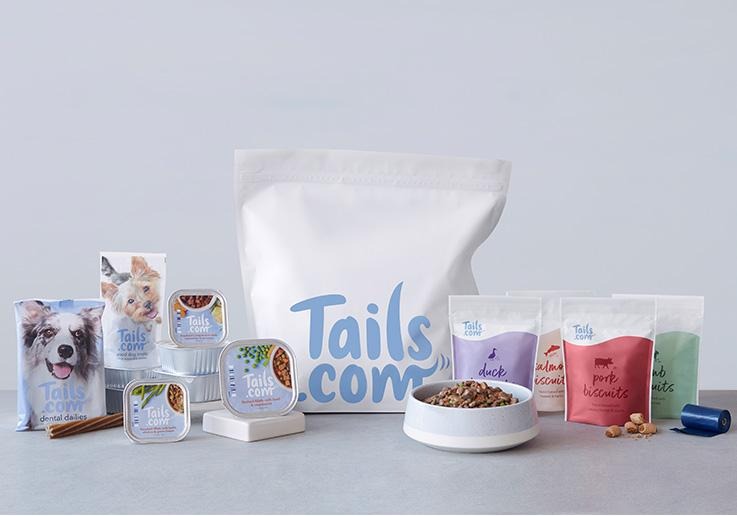
A pet food delivery app allows customers to order pet food, treats, and selected pet nutrition products from nearby stores or specialized suppliers. Businesses can also explore recurring delivery plans for regularly consumed products.
Key features:
- Dog and cat food categories
- Product and brand filters
- Pet profile management
- Recurring orders
- Delivery tracking
- Product recommendations
Businesses should provide accurate product details and avoid making unsupported health or nutritional claims. This idea is especially relevant to entrepreneurs considering a specialized pet product marketplace.
15. Hyperlocal Food Delivery App
A hyperlocal food delivery app focuses on a specific neighborhood, locality, or small geographic area. It connects nearby restaurants, bakeries, snack shops, cafes, and food vendors with local customers.
Rather than competing across an entire city, the business can prioritize delivery speed, local partnerships, and neighborhood-level customer service.
Key features:
- GPS-based restaurant discovery
- Local vendor registration
- Short-distance delivery management
- Real-time order status
- Local promotions
- Customer loyalty programs
This model can be useful for startups that want to test their business concept in a limited service area before investing in a larger delivery network.
Features for a Successful Food Delivery App
Regardless of which idea you choose, certain features are important for delivering a consistent customer experience. A complete food delivery solution usually includes separate interfaces for customers, restaurants, delivery partners, and administrators.
|
App component |
Important features |
|
Customer app |
Registration, menu browsing, cart, payments, order tracking, reviews |
|
Restaurant panel |
Menu management, order acceptance, pricing, availability |
|
Delivery partner app |
Order assignments, navigation, delivery status, earnings |
|
Admin dashboard |
User management, commissions, analytics, offers, reporting |
|
Payment system |
Online payments, refunds, transaction records |
|
Notifications |
Order confirmations, delivery updates, promotional messages |
The final feature list should depend on the chosen business model. For example, a subscription-based meal app needs recurring billing, while a catering app requires bulk order management and advance booking.
Food Delivery App Development Cost in 2026
The cost of developing a food delivery app depends on the business model, number of user interfaces, feature complexity, technology stack, integrations, and development team's location.
A simple MVP with essential ordering functionality generally requires less investment than a multi-vendor platform with advanced analytics, AI recommendations, subscription management, and complex delivery logistics.
The following factors influence the overall budget:
- UI/UX design and prototyping
- Android and iOS development
- Backend development and database architecture
- Restaurant and delivery partner dashboards
- Payment gateway and map integrations
- Testing, security, and deployment
- Hosting, maintenance, and future upgrades
Businesses researching the Food Delivery App Development Cost should compare proposals based on the exact feature scope rather than relying on a single estimated price. It is also important to budget for ongoing maintenance, marketing, customer support, and delivery operations.
For a detailed project estimate, businesses can review the requirements with a development team and prioritize features based on their budget and launch objectives.
Why Choose HybridPlus Infotech for Food Delivery App Development?
HybridPlus Infotech Pvt Ltd. provides software development services for businesses looking to build customized digital solutions. For entrepreneurs planning a food delivery platform, working with a development team can help translate a business concept into a practical application with clearly defined features and workflows.
The development process can cover requirement analysis, UI/UX design, customer app development, restaurant management panels, delivery partner functionality, backend development, payment integrations, and administrative controls. Depending on project requirements, businesses can plan features for restaurant marketplaces, cloud kitchens, healthy meal subscriptions, hyperlocal delivery, and other specialized food delivery models.
Before beginning development, it is useful to define the target audience, revenue model, delivery area, essential features, and expected launch budget. An MVP-first approach can help businesses validate their idea before investing in more advanced capabilities. Testing, security, scalability, and post-launch maintenance should also be considered during project planning.
Businesses exploring On-Demand Food Delivery App Development Services can discuss their requirements with HybridPlus Infotech to determine a suitable development scope, technology approach, and implementation plan.
FAQs
1. Which food delivery app idea is suitable for a startup in 2026?
The right idea depends on the target market, available budget, operational resources, and local competition. Hyperlocal food delivery, home-cooked meal delivery, office lunch subscriptions, and regional cuisine platforms are options that entrepreneurs can evaluate for a focused launch.
2. How much does it cost to develop a food delivery app?
Development costs vary according to platform requirements, design complexity, integrations, and features. A basic MVP generally costs less than a full-featured multi-vendor platform. Businesses should request an estimate based on their specific requirements and include maintenance and operating expenses in their budget.
3. How do food delivery apps make money?
Food delivery apps can generate revenue through restaurant commissions, customer delivery fees, subscription plans, sponsored restaurant listings, advertising, and vendor service fees. The suitable revenue model depends on the platform's audience and operating costs.
4. What features should a food delivery app include?
Essential features typically include user registration, restaurant listings, menus, search filters, cart management, payments, order tracking, notifications, ratings, and customer support. Restaurant dashboards, delivery partner tools, and an admin panel are also important for managing operations.
5. How long does it take to develop a food delivery app?
The development timeline depends on the feature set, platform choices, integrations, testing requirements, and team size. A focused MVP may take a few months, while a complex platform with multiple applications and advanced functionality may require considerably longer.
6. Should I build an Android app, an iOS app, or both?
The decision depends on the target audience, launch budget, and market requirements. Some businesses begin with one platform or a cross-platform application to manage initial costs. Others launch on both Android and iOS to serve a wider audience from the beginning.
7. How can I make my food delivery app different from competitors?
Focus on a specific customer need, such as healthy meals, regional cuisine, office lunches, late-night orders, or home-cooked food. Transparent pricing, reliable delivery, accurate menus, convenient ordering, and responsive customer support can help create a distinct customer experience.